
The Home Has a Flaw: Busy Road, Power Lines, Weaker Schools, Dealbreaker or Discount?
Local Guide Sankari Subburaman August 27, 2026
Local Guide Sankari Subburaman August 27, 2026
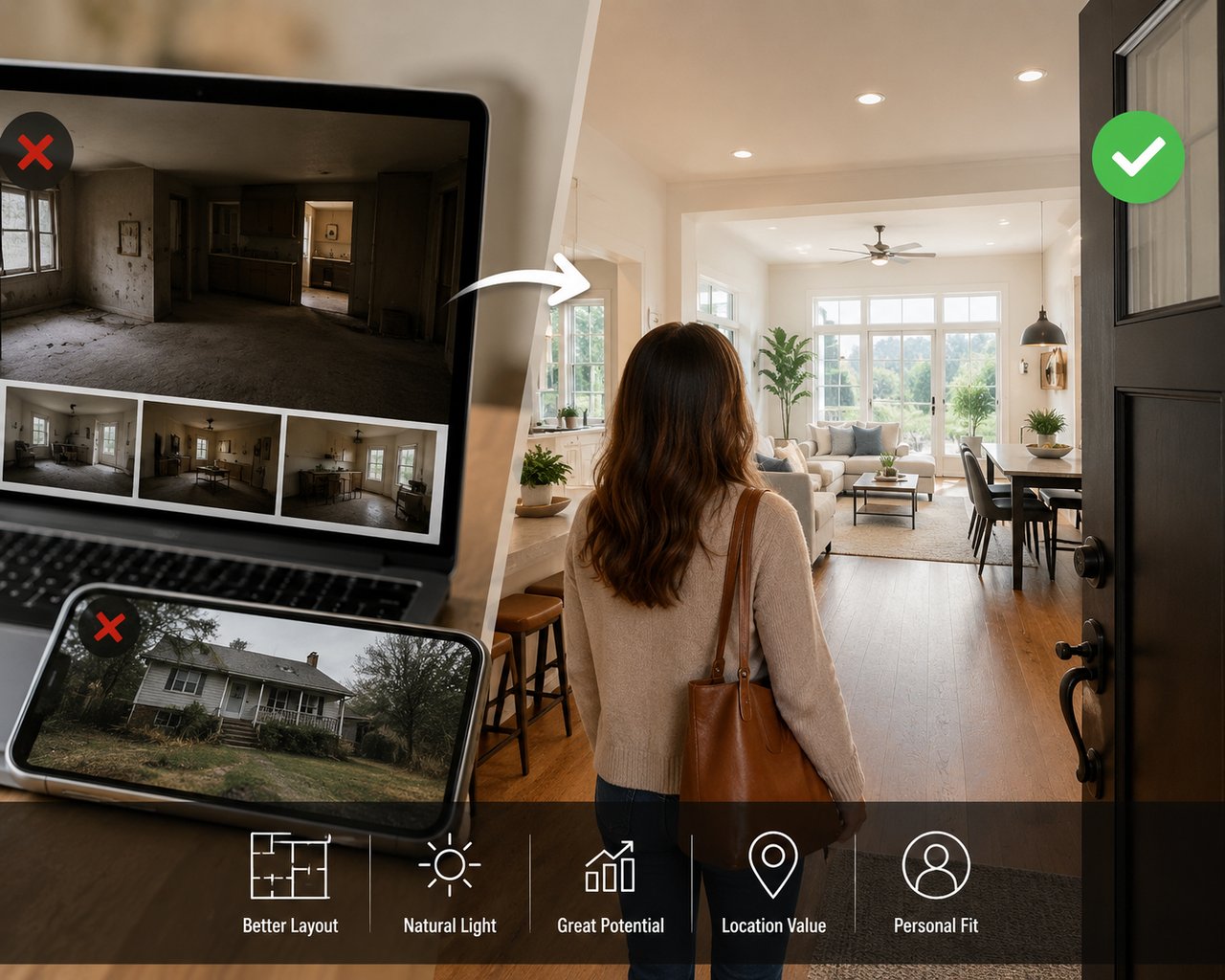
A home can look right on paper and still make you hesitate when you see it in person. Maybe the backyard opens toward a busy road. Perhaps power lines are visible from the property. Or the schools serving the address are not as strong as the ones you originally had in mind. These details can turn an exciting showing into a serious decision.
As a Realtor in Seattle, I have learned that not every flaw should automatically end a home search. At the same time, not every discount makes a problem worth accepting. The real question is what the issue means for your daily life, your budget, and the home's future value. I look at these situations through a practical lens. A property does not have to be perfect to be a smart purchase, but the price needs to make sense for what you are giving up.
In this blog, I will look at how to evaluate busy roads, power lines, school concerns, and other property flaws before deciding whether to walk away or negotiate for a better price.
The first mistake I see buyers make is treating every negative feature the same way.
A busy road may bother one buyer but barely register with another. A visible power line might be an immediate concern for one family and a manageable compromise for someone who cares more about lot size or location. School quality can also carry very different weight depending on whether children are part of the household.
That is why I do not start with the question, "Is this a bad property?"
I start with, "How much does this specific issue affect the way you plan to live here?"
That distinction matters. A flaw becomes a dealbreaker when it conflicts with something you cannot realistically compromise on. If it is simply less desirable than your first choice, there may be room to negotiate.
A property next to a busy road can look perfectly acceptable during a quick daytime showing. That does not tell you everything.
Traffic patterns change throughout the day. Morning congestion may be very different from the afternoon. Noise can become more noticeable when you are sitting outside, opening windows, or trying to enjoy a quiet evening. Before deciding, I would spend time at the property during different periods rather than relying on a single visit. A home that feels peaceful during an afternoon showing may tell a very different story during the morning commute or evening rush.
Pay attention to:
Traffic volume during commute hours
Road noise inside bedrooms and living spaces
How easily you can enter and leave the driveway
Whether outdoor areas are still comfortable
Headlights, traffic activity, and noise after dark
If the home is otherwise strong, the road may create negotiating leverage. But I would never recommend accepting a significant daily annoyance simply because the asking price looks attractive. The discount needs to reflect the inconvenience. More importantly, you need to decide whether the inconvenience is something you can genuinely live with.
Power lines are another feature that can trigger an immediate reaction. For some buyers, the visual impact alone is enough to eliminate a property. For others, the larger lot, floor plan, location, or price may make the compromise worthwhile. I would look carefully at what is actually present rather than making assumptions based on a quick glance.
Where are the lines located? How visible are they from the main living areas? Do they cross the property or sit nearby? Does the placement affect your intended use of the yard?
These questions matter because the impact can vary from one property to another. A line that is barely noticeable from the house may be very different from one that dominates the backyard or affects how you would use the property.
There is also a resale question.
Even if you are comfortable with the power lines, future buyers may not feel the same way. That does not automatically make the home a poor investment, but it is a factor I would consider when evaluating the purchase price and future marketability.
School quality can be one of the most important considerations for buyers with children. It can also influence future buyer demand, which makes it relevant even when schools are not part of your immediate plans.
I would avoid judging a home solely from a school rating or a quick online search. The actual boundaries serving a property should be verified, and buyers should do their own research into the schools that matter to their household. If the schools are weaker than your preferred options, ask yourself whether the difference changes your plans. If it does, the issue may be more than a discount opportunity.
If it does not, the concern could simply become part of the negotiation.
For example, a buyer may decide that a less-preferred school area is acceptable because the property offers a location, layout, or price that is difficult to find elsewhere. Another buyer may decide that school quality is non-negotiable. Neither decision is automatically right or wrong. What matters is whether the compromise fits your priorities.
This is where the numbers become important.
A seller may price a property below comparable homes because of an obvious drawback. But "cheaper" does not always mean "a good deal."
I look at whether the price reflects the disadvantage and whether comparable properties support that valuation. If a home has a busy road, visible power lines, or another drawback, the question is not simply whether the property is discounted. The question is whether it is discounted enough. There is a major difference between saving $25,000 and accepting a problem that could affect your enjoyment of the home for years.
A smart negotiation considers both the immediate savings and the potential resale challenge. If you are paying substantially less than comparable homes, the compromise may make sense. If the price is nearly the same despite a significant drawback, I would question whether the trade-off is worth it.
One of the most useful questions I ask is simple:
"Would another buyer hesitate over the same issue?"
If the answer is yes, that matters.
Homes with noticeable drawbacks can still sell well when the price, condition, and overall property package are compelling. The challenge comes when a buyer pays close to full market value for a feature that many future buyers may dislike.
That is particularly important when comparing two homes that are otherwise similar.
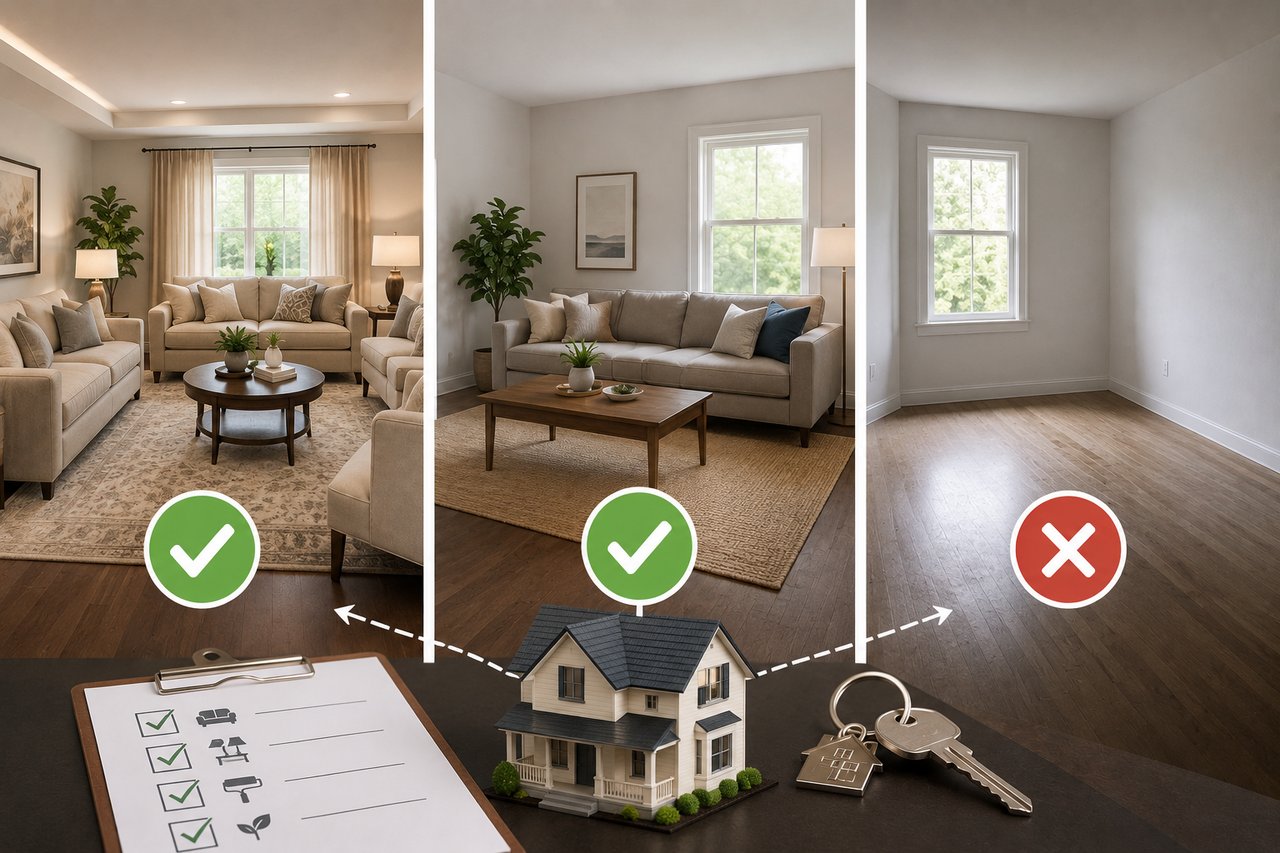
If one property has a quieter setting and the other has a busy road, the second home should give you a meaningful reason to choose it. That reason could be price, a better floor plan, a larger lot, superior condition, or another feature that genuinely matters to you. The same principle applies to power lines, school concerns, and other features that may narrow the pool of interested buyers. If you can identify the compromise clearly, you can also make a more informed decision about what you are willing to pay.
I would never make the decision based only on how the property feels during a showing. I want to understand the issue, measure its impact, and then compare the property against the alternatives.
For a home with a noticeable flaw, I would review:
Comparable sales and current competition
The property's location and surrounding conditions
How the issue affects everyday use
Potential resale concerns
Whether the asking price already accounts for the drawback
The buyer's priorities and long-term plans
That process keeps emotion from taking over the decision.
A home purchase is too significant to be based on either fear or excitement alone. The goal is to understand exactly what you are buying, what you are compromising on, and whether the numbers make sense.
There are situations where negotiating a lower price is not the answer.
If the road noise makes the home uncomfortable, the school situation conflicts with your family's priorities, or the property's drawback is something you know you will notice every day, a discount may not solve the problem. I would rather see a buyer walk away from a home that does not fit than convince themselves they can live with something they already dislike.
The right property is not necessarily the one with the fewest flaws. It is the one where the compromises make sense. That can mean accepting a feature you would not have chosen initially because the property delivers enough value in other areas. It can also mean walking away when the drawback affects something that matters too much to your lifestyle.
Real estate rarely comes down to finding a property with absolutely nothing wrong with it. Most homes have something that could be better. The important part is understanding what that flaw means before you commit.
A busy road, power lines, or weaker schools can be a genuine dealbreaker. They can also create an opportunity to negotiate when the rest of the property fits your needs.
When evaluating homes across areas such as Bothell, Redmond, and Kirkland, I focus on the full picture rather than judging one feature in isolation. Price, condition, location, lifestyle, and future marketability all need to work together. A property does not need to check every box. It does need to make sense for you. If you are considering a home with a noticeable drawback, I can help you look beyond the first impression, evaluate the trade-offs, and determine whether the price truly reflects what you are accepting. For buyers searching for experienced Sammamish Realtors, Sankari Realty offers a data-driven and personalized approach to making that decision with greater clarity.
Stay up to date on the latest real estate trends.

Local Guide
Local Guide

Local Guide
Local Guide
Local Guide

Local Guide

Local Guide

Local Guide

Local Guide