
List Price Is Not Your Goal It Is Your Strategy
Local Guide Sankari Subburaman August 26, 2026
Local Guide Sankari Subburaman August 26, 2026
A seller can look at a home, think about what it is worth, and choose a number that feels ambitious. That is understandable. But after working with sellers across the Eastside, I have learned that the list price is not simply a number attached to a property. It is the first move in a larger strategy.
As a real estate professional, I have seen how the right pricing approach can shape buyer interest, showing activity, negotiations, and ultimately the quality of the offers a seller receives. Even when I work with Bothell Realtors as part of a broader real estate conversation, the principle remains the same: pricing should reflect the market, the property, and the seller's objectives. A strong list price is not necessarily the highest possible number. It is the number that creates the right conditions for the sale.
In this blog, I will look at why list price should be treated as a strategy, what goes into choosing it, and how the right pricing decision can influence the entire selling process.
It is natural for sellers to want to test the highest price they can imagine. A home represents years of work, memories, and financial investment. Wanting to maximize the return is completely reasonable.
The problem begins when an aspirational price gets mistaken for a market strategy.
If a home enters the market above what buyers consider reasonable, the initial attention can be weaker. Buyers who might have been interested may never schedule a showing. Others may compare the property with homes offering more value at a similar price. That creates a difficult situation. The home is technically available, but the market is not responding the way the seller expected. I would rather start with a price that gives the property a strong position than rely on the hope that one buyer will overlook the gap between asking price and perceived value.
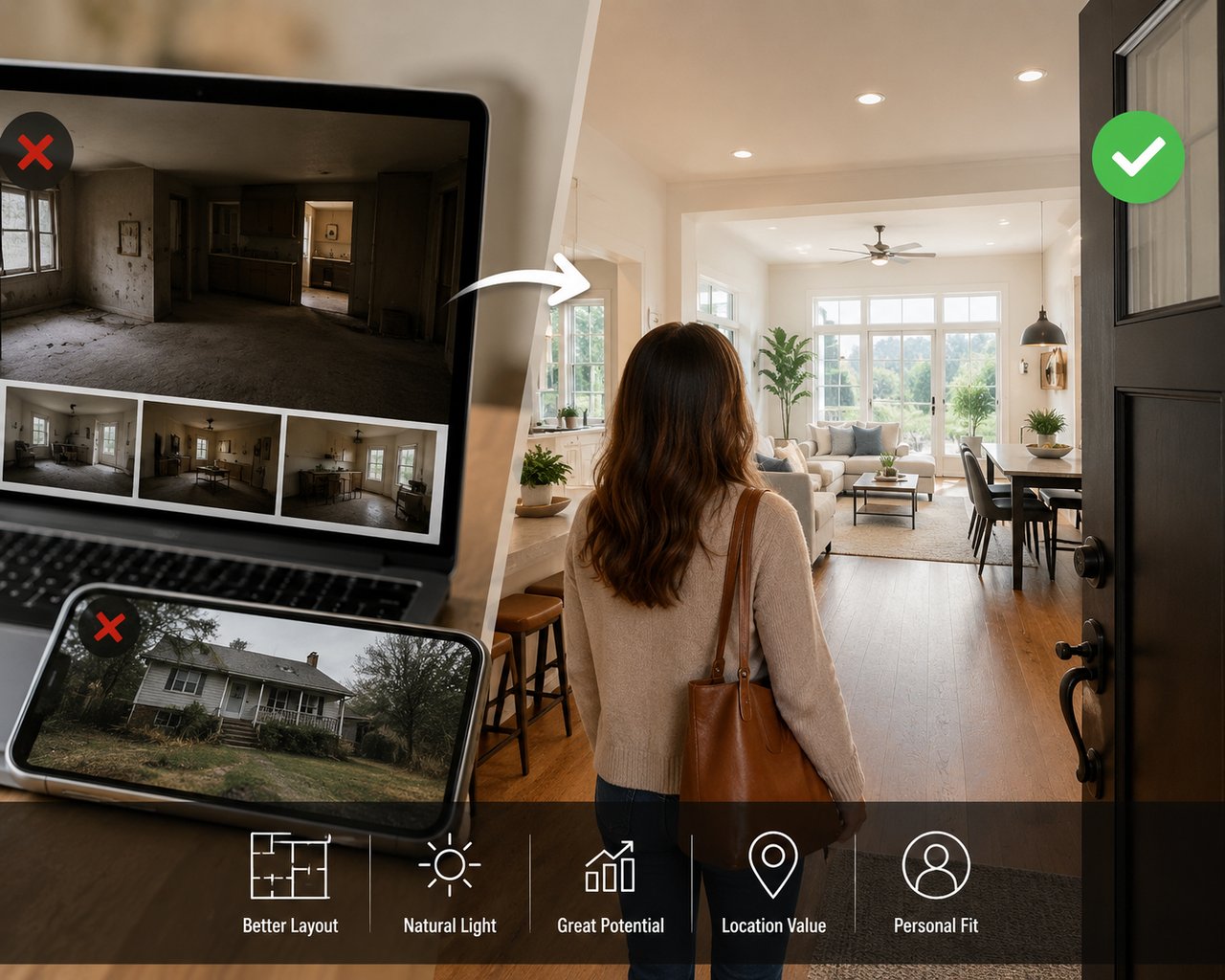
Before a buyer walks through the front door, the listing has already made an impression.
Photos, property details, location, condition, and price are evaluated together. Buyers are constantly comparing one home against another, and price plays a major role in deciding which properties deserve their attention.
That is why I look at pricing as positioning.
A property priced thoughtfully can:
Attract the right segment of buyers
Encourage more serious showing activity
Create stronger early interest
Give buyers a reason to compare the home favorably
Establish a better foundation for negotiations
The goal is not to make the home look cheap. The goal is to make the opportunity look compelling.
I do not believe a list price should be based on a seller's desired outcome alone.
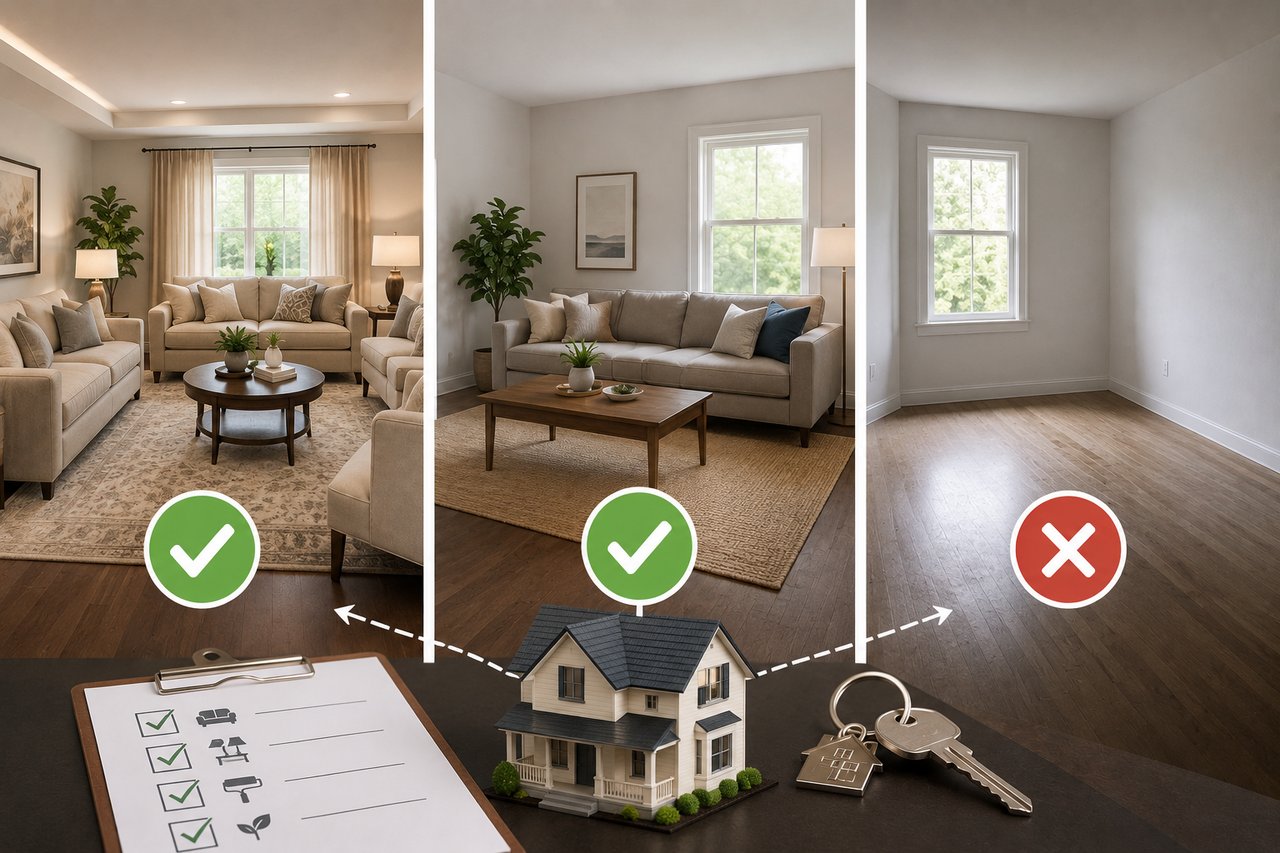
When I prepare a pricing strategy, I look at the available market information and consider how the property fits within it. Recent comparable sales can provide useful context, but they are not the entire answer. A home may differ in condition, updates, layout, lot characteristics, location, or overall appeal.
The question is not simply, "What did another home sell for?"
The better question is, "How will buyers compare this home with the alternatives available to them right now?"
That distinction matters. A pricing decision should account for both historical evidence and the current competitive environment. The market does not evaluate a property in isolation.
I pay close attention to the early period after a home goes live because that is when the property receives its first real test from the market.
If interest is strong, that feedback can reinforce the pricing strategy. If buyers are viewing the home but not taking the next step, that information matters too. If there is very little activity, it is worth understanding why rather than simply waiting and hoping something changes.
This is where strategy becomes more important than pride. A seller does not have to react to every comment or every showing. But patterns deserve attention. Sometimes the home needs better presentation. Sometimes the marketing needs adjustment. Sometimes the price is creating friction. The job is to identify the actual issue before making a change.
A list price does not determine the final sale price by itself.
The strength of the listing's position can affect how buyers negotiate. When a property attracts serious interest, the seller may have more room to evaluate terms, timing, contingencies, and price rather than negotiating from a position of limited interest.
That is one reason I do not treat pricing as a single calculation. I consider the seller's priorities alongside the market conditions. A seller who values speed may have a different strategy from someone who has more flexibility. A property that needs work may require a different approach from one that is highly competitive in presentation.
The strategy should fit the situation.
An overpriced home does not always fail immediately. That can make the problem harder to recognize.
The listing may receive some online attention. There may even be a few showings. But if buyers consistently decide that the property does not provide enough value at the asking price, momentum can fade.
Over time, buyers may begin to wonder why the home has not sold.
That changes the conversation.
Instead of asking whether the property is right for them, they may start asking what is wrong with it. A later price reduction can correct the number, but it may not completely recreate the attention the listing could have received when it was fresh. That is why I prefer to think several steps ahead before the property goes on the market.
Every list price should answer a simple question: why this number?
If the answer is only, "Because I want to get this much," the strategy is incomplete.
I want the number to have a reason behind it. That reason may come from comparable sales, current competition, property condition, buyer expectations, or the seller's timeline and goals.
The final decision should feel deliberate, not emotional. For sellers, that can also make the process easier. When the pricing strategy has a clear foundation, market feedback becomes easier to interpret. There is a plan behind the number, and there is a framework for deciding what to do next.
A seller's real objective is rarely to have the highest number displayed on a listing.
The objective is usually to achieve the best overall result, whether that means maximizing proceeds, reaching a desired timeline, creating stronger negotiating leverage, or balancing several priorities at once.
That is how I approach pricing at Sankari Realty.
I combine market data with the property's individual characteristics and the seller's goals, then build a strategy around the position the home should occupy in the market. My role is not to tell a seller what they want to hear. It is to provide clear guidance, explain the reasoning, and help them make a decision they can stand behind.
List price is only the opening move.
The stronger question is not, "How high can I list this home?" It is, "What price gives this property the best opportunity to achieve the outcome I want?"
That shift can change how a seller approaches the entire transaction. For anyone considering a sale, I believe an honest conversation about pricing should happen before the listing goes live. Whether you are comparing advice from Sammamish Realtors or looking for a personalized strategy from Sankari Realty, the right starting point is a pricing decision built around your property, your market, and your goals. If you are preparing to sell and want to understand what your list price should accomplish, connect with Sankari Realty to discuss a strategy tailored to your home.
Stay up to date on the latest real estate trends.

Local Guide

Local Guide
Local Guide

Local Guide
Local Guide

Local Guide

Local Guide
Local Guide