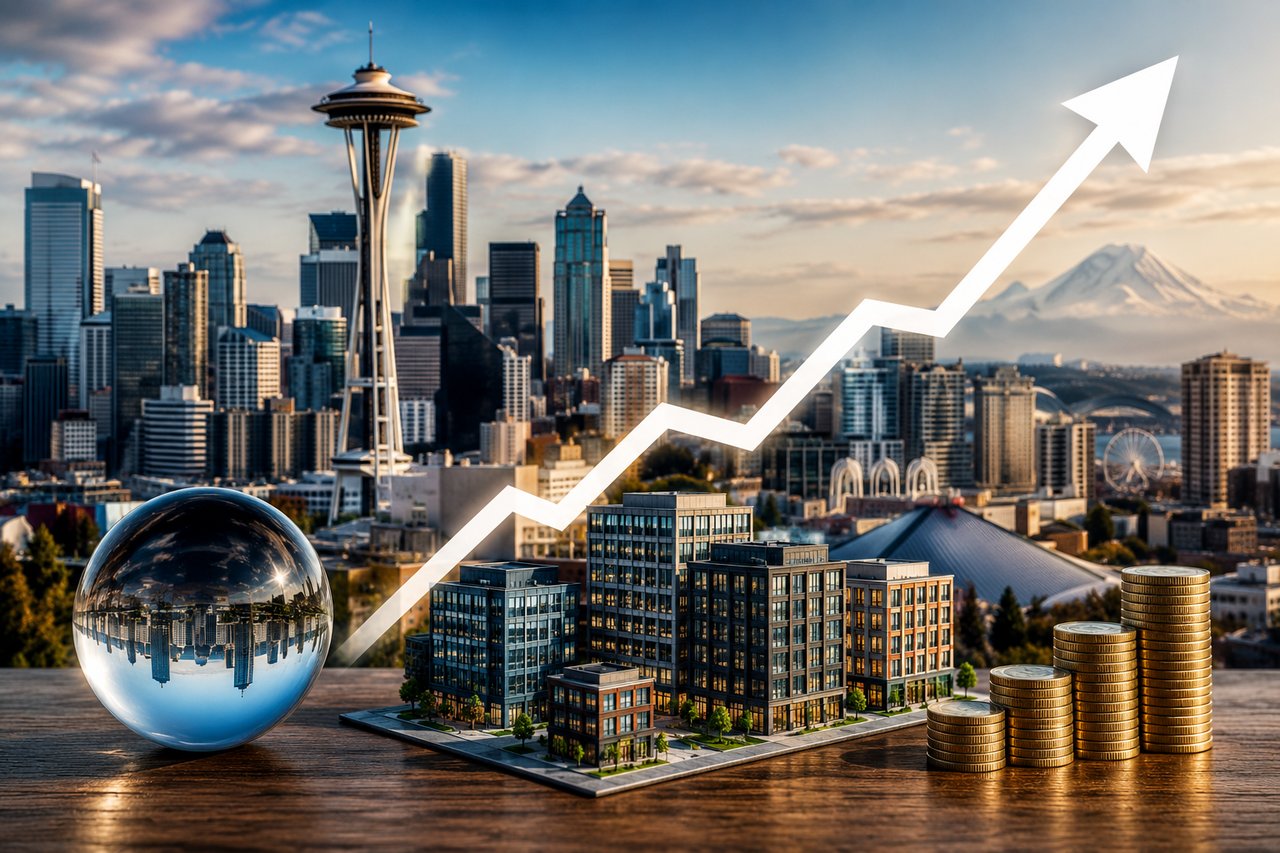
There Are Many Areas to Invest in Within Washington How Do I Choose the Right One?
Local Guide Sankari Subburaman August 25, 2026
Local Guide Sankari Subburaman August 25, 2026

After more than 17 years living in the Greater Seattle area and years of experience helping buyers, sellers, and investors, I have learned that a strong investment decision comes from understanding the details behind a property, not simply following market buzz. My approach is based on local knowledge, market analysis, and a clear understanding of what each client wants to achieve. For buyers beginning their search, working with experienced Bothell Realtors can be useful, but the larger question remains: how do you determine which Washington market is actually right for your investment?
In this blog, I’ll explain the factors I consider when evaluating different areas and choosing an investment opportunity.
Before comparing locations, I want to understand what the investment is supposed to accomplish.
A buyer looking for long-term appreciation may have different priorities from someone focused on rental income. An investor planning to hold a property for several years may also evaluate a neighborhood differently from someone looking for a shorter-term opportunity.
I begin by looking at questions such as:
What is the intended holding period?
Is rental income part of the investment strategy?
What property type fits the budget?
How much capital is available for the purchase and future improvements?
What level of risk is comfortable?
Is the investment intended purely for financial growth, or could it serve a future personal purpose?
Once these priorities are clear, it becomes much easier to narrow the search.
A property address tells me where a home is located. It does not tell me everything I need to know about the investment.
I look at the surrounding market, neighborhood characteristics, available property types, pricing, and the kind of demand the area attracts. I also consider how the property fits within the broader market rather than evaluating it in isolation. This is particularly important when comparing different communities. Two properties can have similar features and still represent very different opportunities because of their location, pricing, condition, and surrounding housing market. My focus is always on the complete picture.
The right location can still be the wrong investment if the property itself does not fit the strategy.
I consider whether a single-family home, townhome, or condo makes sense based on the investor's objectives. Each property type can come with different considerations around pricing, maintenance, demand, and resale.
I also pay close attention to the condition of the property. A lower purchase price may initially look attractive, but renovation requirements and ongoing ownership costs can change the numbers considerably. That is why I never want the purchase price to be the only number guiding the decision.
Real estate investing requires more than finding a desirable neighborhood. The financial side needs equal attention.
Before moving forward, I want to understand the complete cost of ownership. Depending on the property, that can include financing, property taxes, insurance, maintenance, improvements, and other expenses.
I also compare the expected investment outcome with the amount of capital required. A property with an attractive location may not be the right choice if the financials do not align with the investor's goals. At the same time, an opportunity that receives less attention from the broader market may deserve a closer look when the numbers and long-term strategy make sense. Data helps separate the two.
Growth can be a positive sign, but I do not believe growth alone is a reason to buy.
When an area is changing, I look at what that change means for the specific property being considered. Development, new housing, changing buyer preferences, and neighborhood improvements can all affect a market, but their impact needs to be evaluated in context.
I also avoid making decisions based on a single trend or prediction. Instead, I ask whether the current opportunity fits the investor's timeline and whether the property itself has characteristics that support the intended strategy. That distinction matters. Investing is not about predicting every future change. It is about making a well-informed decision with the information available today.
I encourage investors to think beyond the moment of purchase.
When evaluating a property, I consider how the location and property characteristics may support its value over the intended holding period. This does not mean assuming that prices will always rise. It means understanding what makes the property attractive to future buyers and how it fits within the surrounding market.
My experience as a long-term Seattle-area resident and active real estate investor has shaped the way I approach this process. I look at neighborhood trends and long-term value potential while keeping the individual investor's objectives at the center of the decision.
Online listings make it easy to compare properties. Understanding why one property deserves more attention than another is a different matter.
I use market data, pricing analysis, local knowledge, and negotiation strategy when helping clients evaluate real estate opportunities. My goal is not simply to provide more listings. It is to provide the information and context needed to make a confident decision.
This becomes especially valuable when an investor is considering multiple areas. Instead of trying to determine which location is universally "best," I focus on identifying the location and property that best match the investment plan.
Once the investment strategy is clear, I recommend narrowing the search. Rather than comparing every possible market in Washington, I focus on a smaller group of locations and then evaluate specific properties within those areas.
A useful shortlist can consider:
Purchase price and overall budget
Property type and condition
Neighborhood characteristics
Potential long-term value
Ownership and improvement costs
Alignment with the investor's holding period
This approach keeps the decision practical. It also makes it easier to identify which properties deserve a deeper review.
There is no single Washington market that is automatically the right investment for everyone. A strong opportunity depends on the investor's goals, budget, timeline, property type, and expectations.
That is why I take a personalized, data-driven approach when helping clients evaluate investment opportunities. With deep knowledge of the Seattle and Eastside markets, I focus on giving buyers the market information, strategic insight, and guidance they need to make informed decisions.
If you are comparing investment opportunities and are unsure where to begin, I can help you evaluate the options based on what you actually want to achieve. As experienced Sammamish Realtors, Sankari Realty can help you move from a broad search to a focused real estate strategy. The goal is not simply to find a property in Washington. It is to find an opportunity that makes sense for you today and supports your long-term plans.
Stay up to date on the latest real estate trends.
Local Guide

Local Guide
Local Guide