What's Happening in the Sammamish Housing Market Right Now?
Local Guide Sankari Subburaman September 18, 2026
Local Guide Sankari Subburaman September 18, 2026
If you're watching Sammamish real estate right now, you've probably noticed something's shifted. Homes still cost a lot here, but they're not flying off the market the way they did a couple years ago. As a Real Estate Agent in Seattle, Washington, Sankari realty tracks these numbers every week, and the story right now is pretty clear: prices are easing back, buyers have more homes to pick from, and sellers need a sharper strategy than they did last year. Here's what's actually going on, and what it means depending on which side of the transaction you're on.
Sammamish is still one of the priciest places to buy on the Eastside. But the numbers have softened over the past year.
The average home value sits at $1,557,390, down 5.6% from a year ago.
The median sale price is $1,570,833.
The median list price is $1,688,783.
That gap between list price and sale price tells you something important: sellers are asking high, but buyers aren't always paying it. In fact, 54.4% of homes sold below their asking price in the past few months, while only 22.9% went for more than list. A year or two ago, that split looked very different, with far more homes selling over asking.
This doesn't mean Sammamish is losing value fast. A 5% dip after years of steep appreciation is more of a correction than a warning sign. But it does mean the days of listing high and expecting a bidding war to fix the price are mostly behind us.
If you tried to buy in Sammamish in 2022 or 2023, you probably remember the frustration: barely any listings, and the ones that hit the market got snapped up in days.
That's changed. Right now there are 334 homes for sale, with 114 new listings added recently. Depending on which source you check, active inventory is up anywhere from 28% to nearly 80% compared to last year. However you slice it, the direction is the same: way more options for buyers than there were a year ago.
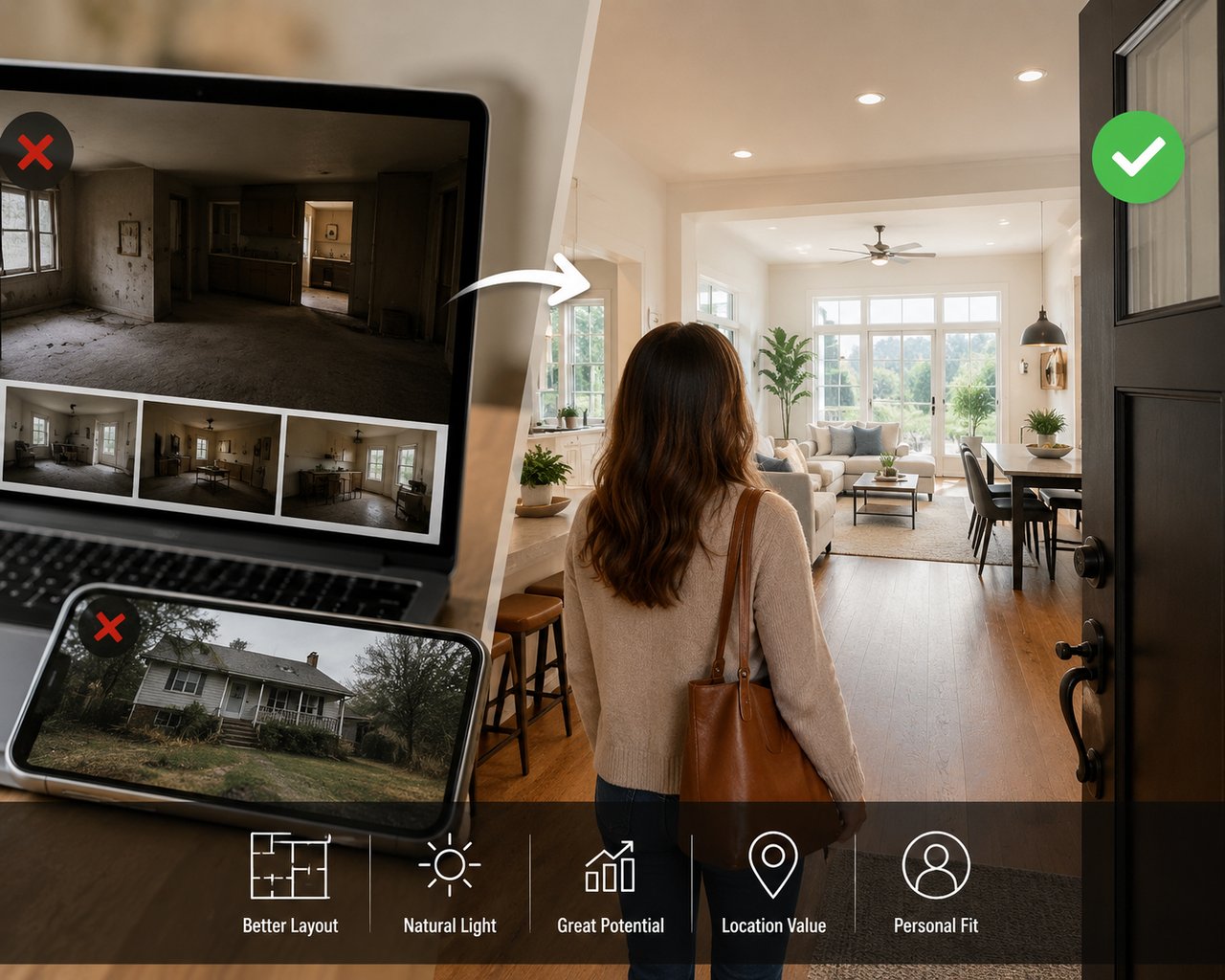
More inventory changes the whole dynamic. Buyers can compare homes side by side instead of racing to make an offer sight unseen. Sellers, meanwhile, are competing with more listings for the same pool of buyers, which puts real pressure on pricing and presentation.
Speed is another area where the market has clearly cooled. Depending on how you measure it, from listing to pending, or listing to closing, homes are currently taking anywhere from about a week to a month to sell. That's a wide range, but it's a wide range for a reason.
Some homes still move fast. A well-priced, well-presented home in a sought-after location can go under contract in less than a week, sometimes with multiple offers. But that's no longer the norm across the board. Plenty of listings are sitting for three, four, even five weeks before they get an accepted offer, especially if the price doesn't quite match what the home offers.
A couple years ago, almost everything sold within days regardless of condition or price. That's not the case anymore. Buyers have enough options now that they're willing to wait for the right home instead of jumping on the first one that fits. For sellers, that means the timeline you should plan for looks a lot different than it did in 2022 or 2023, and a home that takes three weeks to sell isn't a red flag. It's closer to what normal looks like right now.
You're in a better spot than buyers were two or three years ago, and here's why:
You have more listings to compare, so you can be pickier about layout, lot, and location.
You have more time to schedule a real inspection and think through your offer instead of rushing.
You may have room to negotiate on price, closing costs, or repairs, especially on homes that have been listed for a few weeks.
That said, don't mistake a cooler market for a cheap one. Sammamish's median sale price is still nearly double King County's overall median of $840,000, so your monthly payment is still a serious number. Get your financing locked in before you start touring homes. When the right property does come up, especially something priced well in a sought-after school zone or near the lake, it can still draw multiple offers fast.
Selling in Sammamish today still works, demand hasn't disappeared, but you can't coast on the location alone anymore. A few things matter more than they did before:
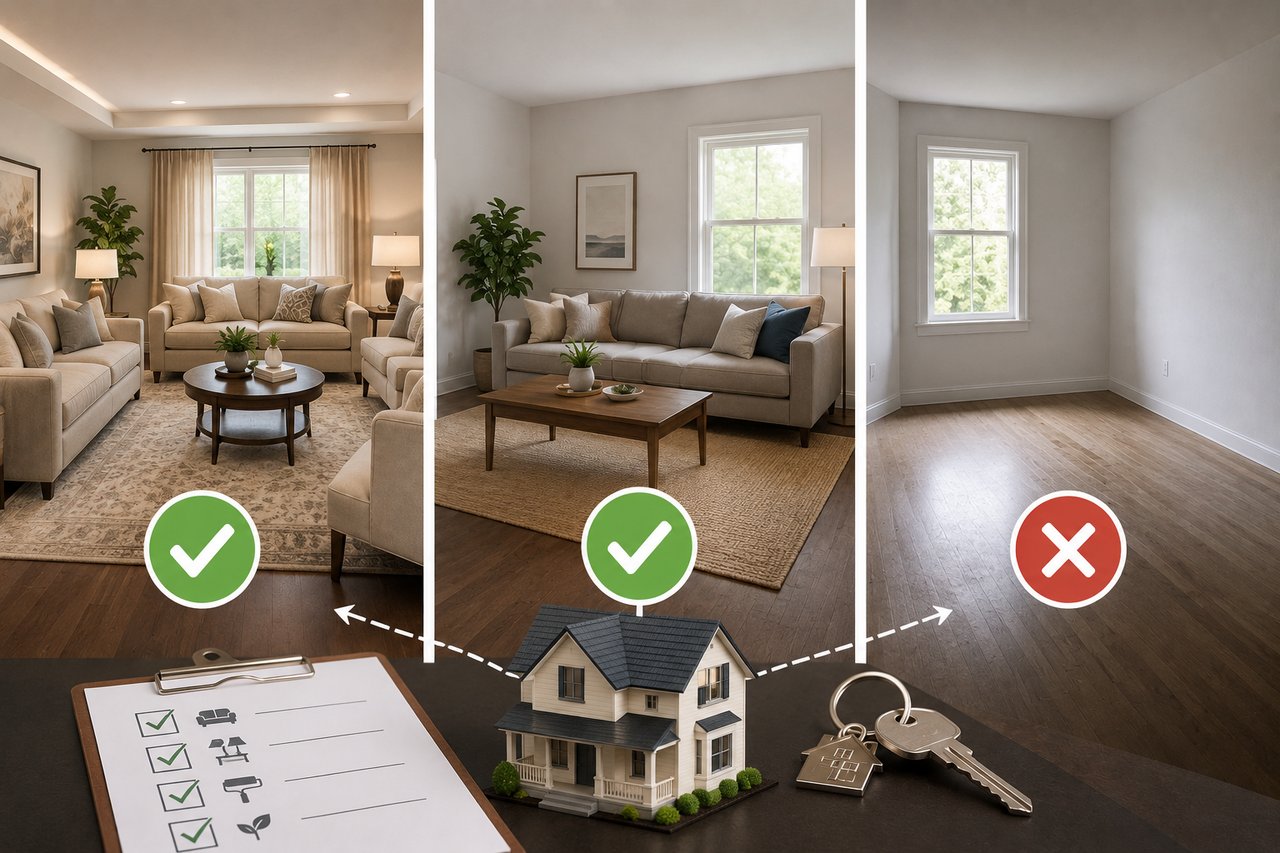
Price it to the current market, not last year's comps: Buyers are comparing your home against dozens of others, and they know when a price is stretched.
Fix the small stuff before you list: With more competition, presentation gaps stand out more than they used to.
Expect a longer runway: A home that sits for three or four weeks isn't necessarily priced wrong, that's closer to normal now. But a home sitting for two months usually needs a price adjustment.
Get ahead of buyer questions: Pre-inspection reports and clean disclosures build trust and speed up negotiations.
The sellers doing well right now are the ones who price accurately from day one instead of testing the market with an ambitious number and cutting it later. A strong first two weeks on the market still generates the most attention and the best offers.
Sammamish hasn't turned into a buyer's market, and it hasn't crashed. What's happening is a rebalancing: more homes for sale, prices adjusting to a more sustainable level, and timelines stretching out from the frantic pace of a few years back. Buyers finally have breathing room to make thoughtful decisions. Sellers need to price smart and present well to get the results they want.
Whichever side of the deal you're on, having someone who watches these numbers closely and knows the neighborhoods, from Pine Lake to Klahanie to the lake-adjacent streets, makes a real difference in how your transaction turns out. Sankari Realty works with buyers and sellers across Sammamish and the greater Eastside every day, and we bring that local, data-backed perspective to every conversation. If you're looking for a Sammamish Realtor who can walk you through exactly where this market stands and what it means for your next move, reach out to us at Sankari Realty.
Stay up to date on the latest real estate trends.
Local Guide

Local Guide
Local Guide
Local Guide
Local Guide
Local Guide

Local Guide
Local Guide

Local Guide