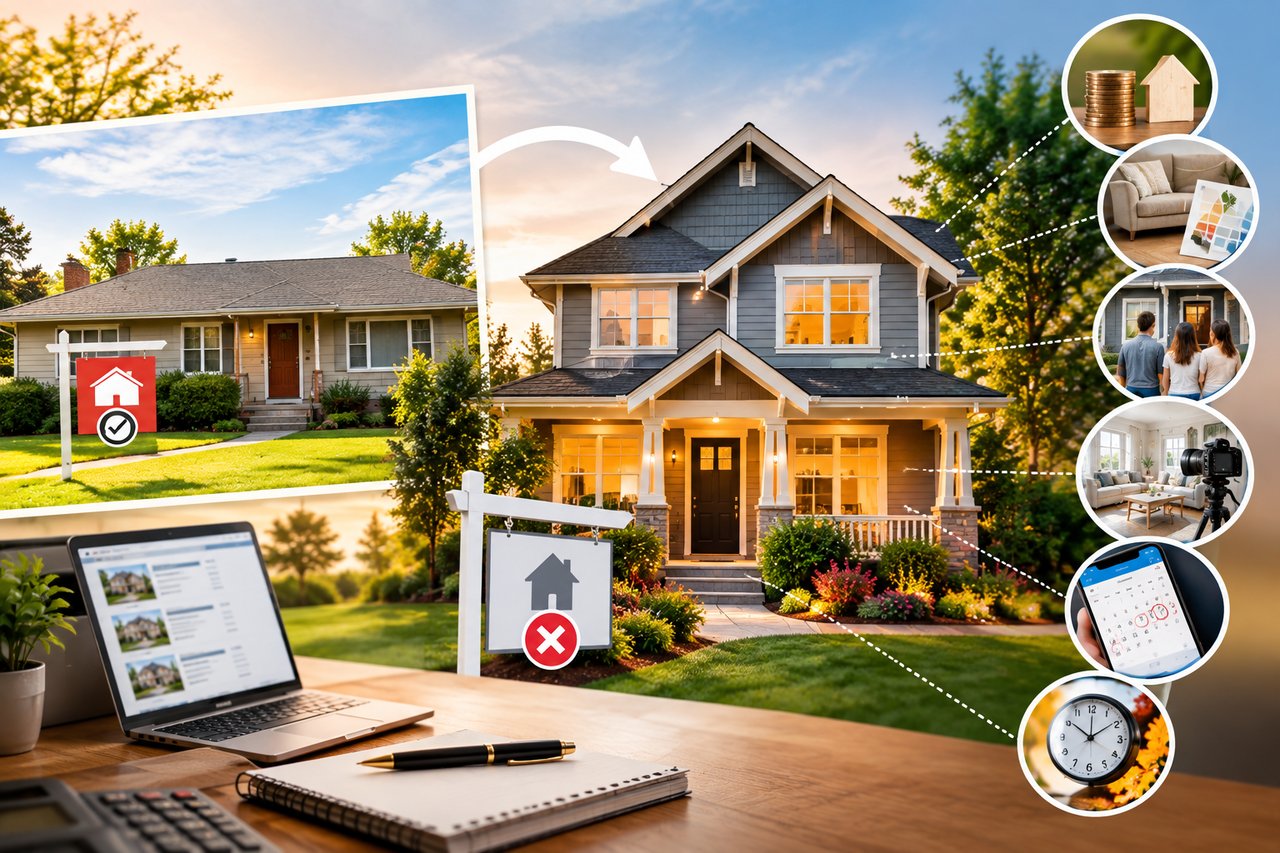
Why Beautiful Homes Sometimes Don't Sell
Local Guide Sankari Subburaman September 24, 2026
Local Guide Sankari Subburaman September 24, 2026
I once watched a fully renovated craftsman sit on the market for eleven weeks while a dated rancher three streets over, with the same original kitchen since 1987, went under contract in four days. The renovated home had quartz counters, a custom tile backsplash, and landscaping that looked professionally maintained down to the last hedge. On paper, it should have won easily. It didn't, and the reason had almost nothing to do with the house itself.
As a real estate agent Kirkland WA, I get this question more than almost any other from frustrated sellers: why isn't my beautiful home selling? This guide walks through the real reasons a gorgeous property can stall on the market, most of which have nothing to do with the home's quality and everything to do with decisions made around it.
The House Was Never the Problem
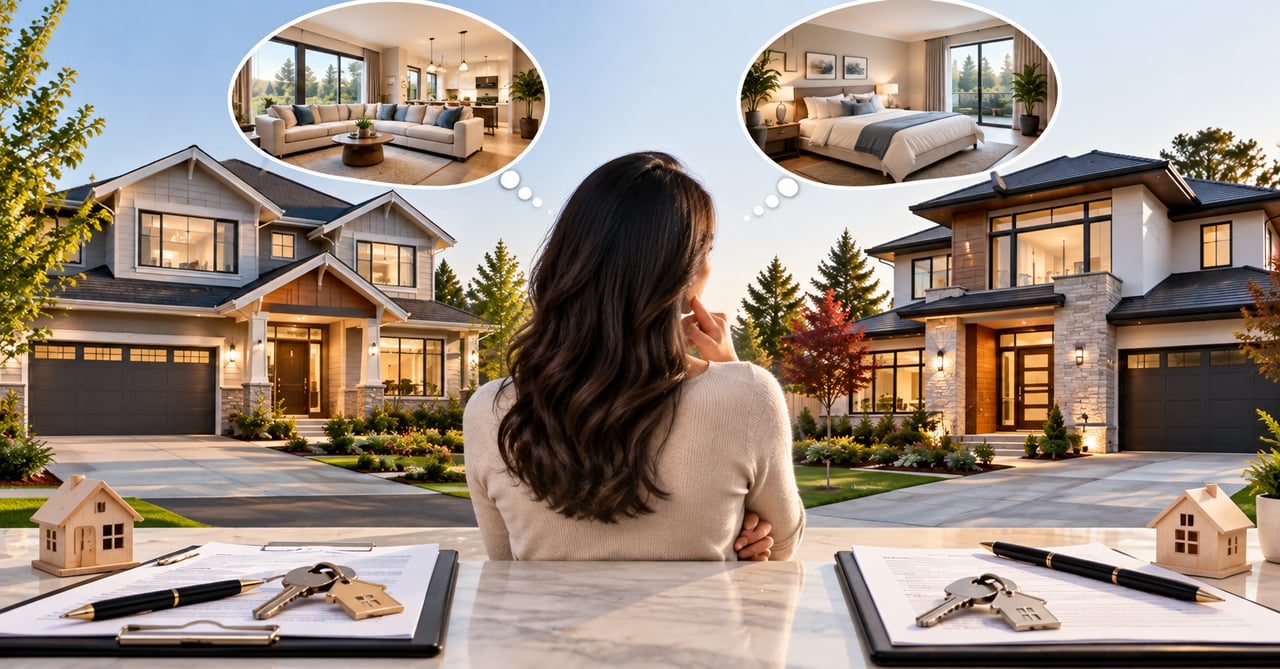
Sellers almost always assume the issue lives inside the walls, that buyers walked through and quietly decided against granite instead of quartz, or that the paint color in the primary bedroom killed the deal. In my experience, that's rarely what's actually happening. A beautiful home stalling on the market is usually a symptom of something outside the four walls entirely, price, presentation, access, or timing, not a flaw in the renovation itself.
When the Price Reflects Emotion, Not the Market
This is the single biggest reason I see beautiful homes sit unsold. A seller who spent real money and real time on a renovation understandably wants that investment reflected in the asking price. The market, unfortunately, doesn't care what something cost to build, only what a comparable buyer is willing to pay for it today.
A few patterns I see repeatedly:
Overpricing doesn't just slow a sale, it actively works against the property. Buyers watching days-on-market climb start to wonder what's wrong with a home that looks this good and still isn't selling, even when the honest answer is simply the price. By the time a seller finally agrees to adjust, the listing has often already picked up a stale reputation among agents and repeat buyers who've been tracking it since day one, which makes the eventual price cut work harder than it would have if it happened three weeks earlier.
The Buyer Pool a Home Actually Appeals To
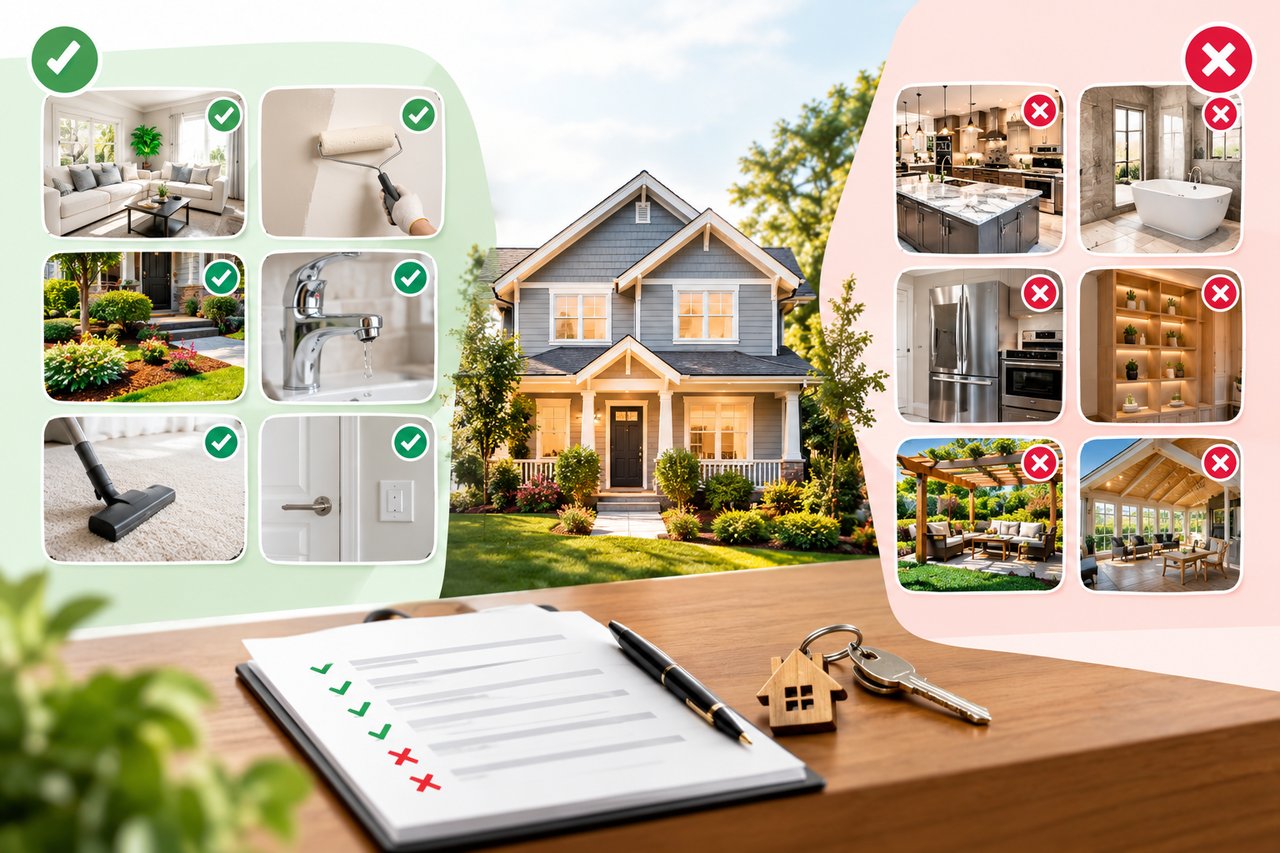
A beautifully finished home isn't automatically appealing to every buyer, and sometimes the very features that make it stunning also narrow who's actually interested. Bold, highly specific design choices, dramatic tile work, an open-concept kitchen carved out of a formerly separate dining room, custom built-ins, can read as a dream to one buyer and an expensive project to undo for another.
This matters most in neighborhoods where the buyer pool skews toward a specific type of purchase, first-time buyers who need move-in-ready simplicity, or downsizers who don't want to inherit someone else's design vision. A striking, highly personalized renovation can actually shrink the pool of interested buyers rather than expand it.
Staging That Photographs Well but Doesn't Show Well
Listing photos and an in-person walkthrough are two different experiences, and a home can excel at one while quietly failing at the other. I've toured homes that looked spectacular online and felt cramped, oddly laid out, or strangely cold in person. A few things that create this gap:
When online interest is high but showings aren't converting into offers, this gap between photographed and lived experience is usually where I start looking.
Marketing That Undersells an Otherwise Strong Listing
Occasionally the issue isn't the home or the price, it's the marketing around it. Weak photography, a listing description that reads like a checklist instead of a story, or a limited online presence can all quietly suppress interest in a home that would otherwise generate real competition. Buyers scroll fast, and a listing that doesn't stop the scroll in the first few seconds often gets passed over regardless of what's actually inside.
Showings That Are Hard to Book
A stunning home that's difficult to access loses momentum fast. Restrictive showing windows, requiring too much advance notice, or a seller present during showings, however well-intentioned, all create friction that pushes buyers toward easier, more accessible listings instead. In a market where buyers are touring multiple homes in a single afternoon, a property that's inconvenient to see often gets quietly dropped from the list before it's ever walked through.
Timing That Works Against the Home
Even a perfectly priced, well-staged, easily accessible home can struggle if it lists at the wrong moment, right before a holiday weekend, during a seasonal inventory spike, or alongside several similar homes hitting the market simultaneously. Timing isn't something a seller controls entirely, but it's worth factoring into expectations rather than assuming a slow first two weeks means something is fundamentally wrong with the property.
What I Actually Do When a Beautiful Home Isn't Moving
When a well-presented home stalls, I don't start with "let's drop the price" as a reflex. I go through pricing against truly comparable recent sales, review showing feedback line by line for patterns, walk the home again in person rather than relying on memory or photos, and check whether access and scheduling are creating unnecessary friction. Usually, the answer isn't one dramatic fix, it's two or three smaller corrections working together.
At Sankari Realty, I treat a stalled listing as a diagnostic problem rather than a reason to panic or slash price immediately. Pulling real comparable data, honest showing feedback, and a fresh walkthrough usually points to exactly what's holding a good home back, and it's rarely the home itself.
If your property has been sitting longer than comparable homes nearby and you're not sure why, real estate agents in Seattle Washington on my team can walk through the specifics with you. That renovated craftsman eventually sold, once we repriced it against what buyers were actually paying rather than what it cost to build. The house never needed to change. The strategy around it did.
Stay up to date on the latest real estate trends.

Local Guide

Local Guide
Local Guide
Local Guide

Local Guide

Local Guide
Local Guide
Local Guide
Local Guide