
Don’t Buy the Best Home. Buy the Best Fit
Local Guide Sankari Subburaman September 29, 2026
Local Guide Sankari Subburaman September 29, 2026
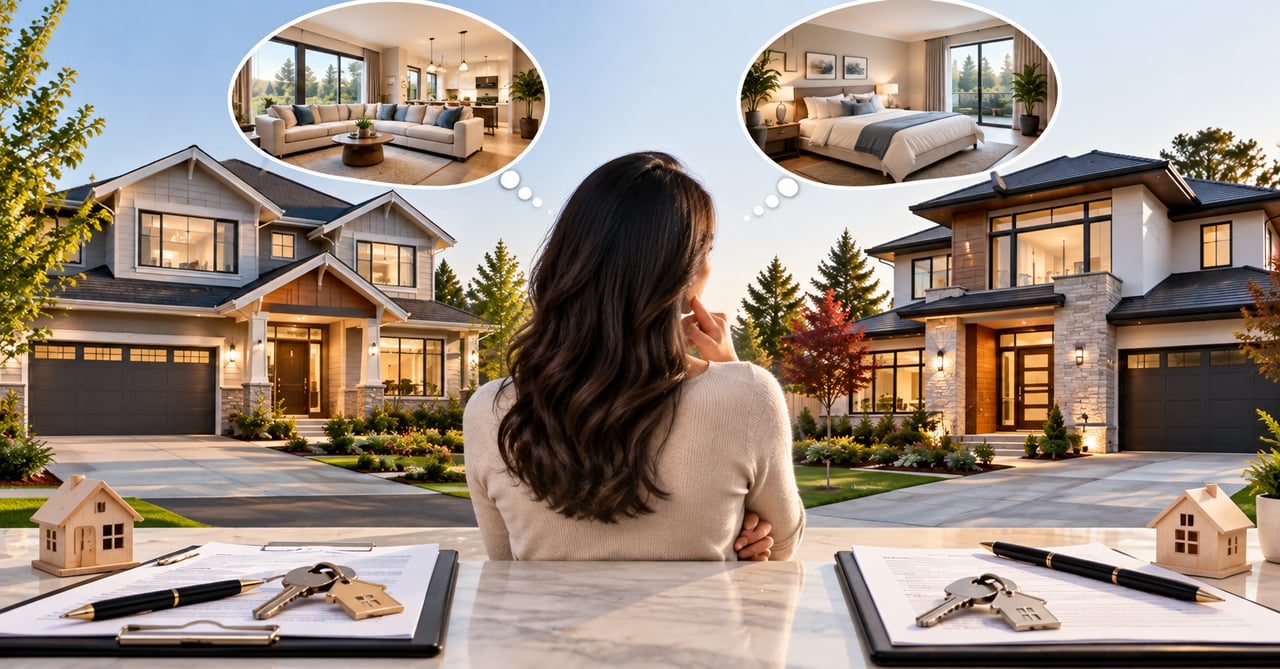
When buying a home, it is easy to get caught up in what looks impressive. A larger kitchen, an extra bedroom, a bigger yard, or a more expensive neighborhood can quickly become the focus of the search.
But after working with buyers and seeing how differently people approach the same decision, I have learned that the most impressive home is not always the right home.
The right home is the one that fits your priorities, lifestyle, finances, and plans. This is also why choosing the right real estate guidance matters. Whether you are researching Bothell Realtors or exploring properties in other parts of the Greater Seattle area, the goal should remain the same: finding a home that works for you. As Sankari Realty, I believe a home search should start with understanding what actually matters to you rather than simply looking for the property with the longest list of features.
In this blog, I will look at what makes a home the right fit, why bigger or newer is not always better, and how to evaluate a property based on your real priorities.
There is no universal definition of the best home.
For one buyer, it may mean having enough space for a growing family. For another, a smaller home with less maintenance may make more sense. Someone working remotely may care more about a quiet office space than an oversized living room. Another buyer may place greater importance on location, commute, neighborhood feel, or access to everyday conveniences.
That is why I encourage buyers to separate what they want from what they actually need.
Before looking at homes, I recommend asking a few practical questions:
How do I expect to use this home every day?
Which features will genuinely improve my lifestyle?
What can I comfortably afford beyond the purchase price?
What might my needs look like several years from now?
Which compromises am I comfortable making?
These questions can narrow the search much faster than browsing hundreds of listings and trying to decide which one looks the most impressive.
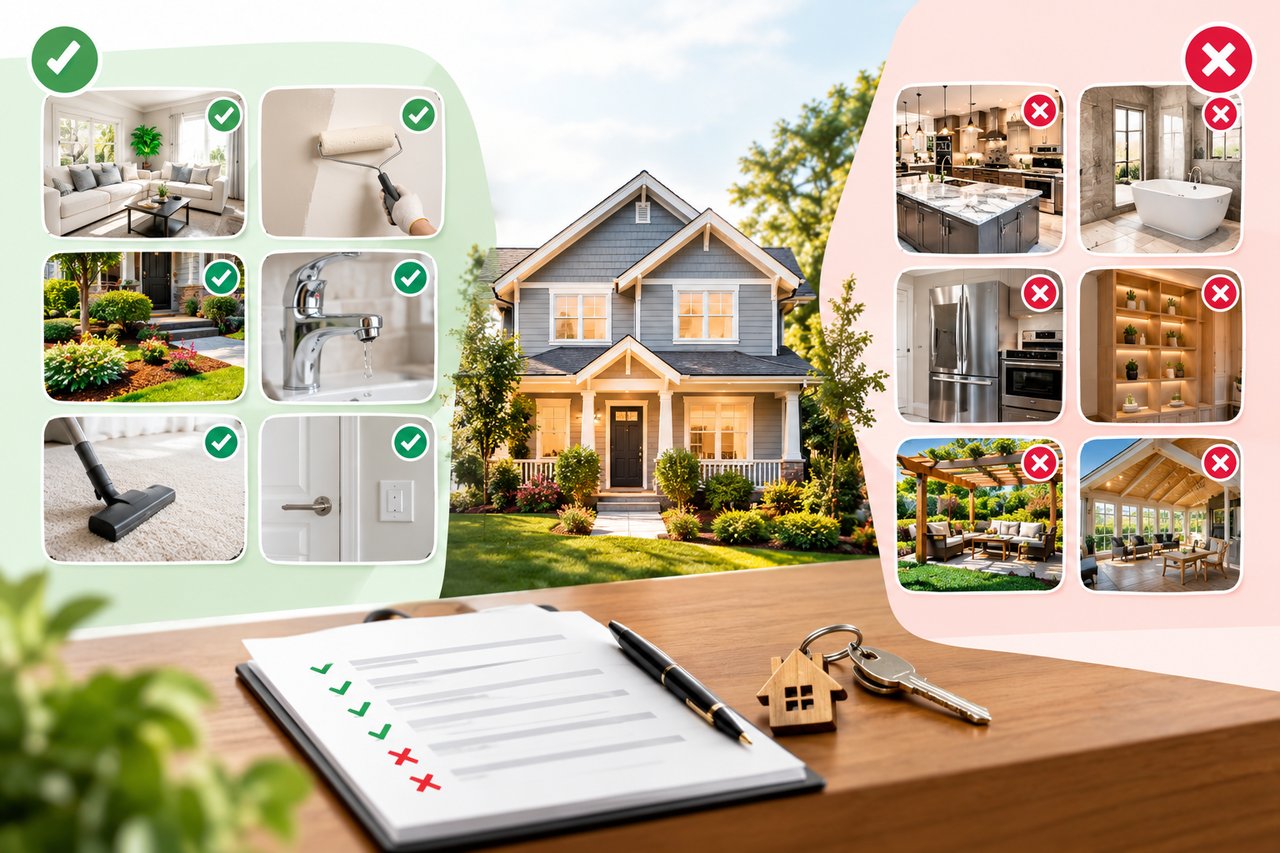
A larger home can look like the obvious choice. More bedrooms, more bathrooms, and more square footage can feel like getting more for your money.
But extra space comes with responsibilities.
Larger homes may require more maintenance, more furnishing, and potentially more time and money to manage. If certain rooms are rarely used, that additional space may not add much practical value to your everyday life.
I have found that buyers often benefit from thinking about how they will use every part of the property rather than simply counting rooms. If you need three bedrooms and a dedicated office, a home with those spaces may serve you better than a much larger property where several rooms have no clear purpose.
The goal is not to buy the biggest home you can afford. It is to buy a home that makes sense for the way you live.
A home can check almost every box on paper and still feel wrong once you start imagining daily life there.
Maybe the layout does not work for your routine. Maybe the commute becomes inconvenient. Perhaps the maintenance requirements are higher than expected. Or the home stretches your budget enough that other financial priorities become difficult to manage.
This is why I encourage buyers to look beyond the first impression.
When I evaluate a property with a client, I want the conversation to move from “Do you like this house?” to “Does this house work for you?”
That is a much more useful question. A property should be considered from different angles, including the layout, location, condition, budget, future plans, and the practical experience of living there.
A home should support your routine, not force you to constantly adjust it.
Think about a normal weekday rather than just imagining how the home will feel during an open house.
Where will you start your morning? Do you need a quiet workspace? How often will you use the outdoor space? Do you entertain regularly? Are you planning for children, aging parents, or a change in household size? How much time do you realistically want to spend maintaining the property?
These details may sound simple, but they can have a significant impact on whether a home feels right after the excitement of the purchase wears off.
For buyers considering areas such as Bothell, Redmond, Kirkland, and Seattle, the right choice can also depend on how the property fits into the broader lifestyle they want.
That is where local knowledge becomes useful. The right guidance should go beyond showing available properties. It should help connect the property to the buyer's priorities, budget, and plans.
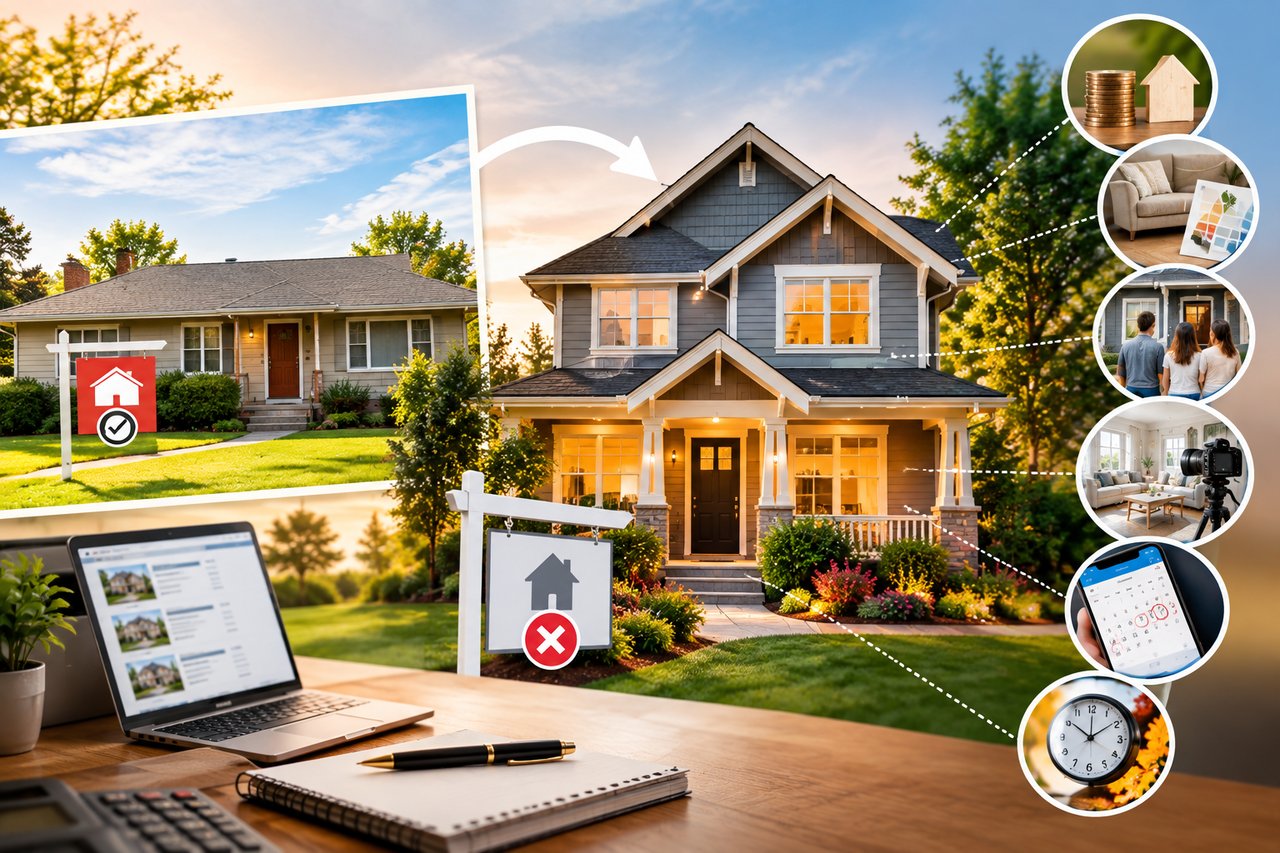
One of the easiest mistakes to make is treating the listing price as the entire cost of owning a home.
A comfortable purchase should leave room for the realities that come with ownership.
Think about property taxes, insurance, maintenance, utilities, repairs, and other ongoing expenses. The right property should fit your broader financial plan, not simply meet the maximum amount a lender is willing to approve.
I encourage buyers to think in terms of comfort rather than maximum purchasing power.
There is a difference between being able to buy a home and being comfortable owning it.
That distinction matters.
A home that fits your budget gives you more flexibility to handle changes, maintain the property, and plan for the future without feeling stretched by the decision.
The right fit today should also make sense for what you expect tomorrow to look like.
You do not need to predict every change in your life. That is impossible. But it is worth considering whether the property can accommodate reasonable changes in your circumstances.
If you are planning to work from home, starting a family, expecting relatives to visit often, or thinking about staying in the property for many years, those factors should be part of the conversation before making an offer.
At the same time, buying more home than you need today simply because you might need it someday may not make sense either.
I prefer a balanced approach. Consider the future, but do not let hypothetical needs overshadow the way you actually live now.
Once you stop looking for the “best” home, the search becomes much clearer.
Instead of comparing every available feature, you can start identifying what genuinely separates a suitable property from one that does not work.
For me, that means paying attention to the details behind the listing. Market data matters. Property information matters. Negotiation matters. But so does understanding the person making the decision.
Every buyer comes with different priorities. My role is to provide the information, context, and perspective needed to evaluate those choices clearly. That does not mean finding a perfect house. It means helping identify a property that makes sense for the buyer's circumstances.
It is easy to compare your home search with someone else's.
A friend may have bought a larger property. A family member may prioritize a particular neighborhood. Another buyer may be willing to stretch their budget for a specific feature.
Their priorities are not necessarily yours.
Your home should reflect your own needs and goals.
The right question is not, “Is this the best house available?”
It is, “Is this the right house for me?”
That shift can change how you search, what you notice during showings, and how confidently you evaluate an offer.
After helping buyers navigate real estate decisions, I have come to value fit over the idea of perfection. A home does not need to have every desirable feature to be the right choice. It needs to work for the person who will live there.
If you are considering a purchase, I recommend starting with your priorities before starting with the listings. Know what you need, understand what you can comfortably afford, think about how you live today, and consider where your plans may take you next.
For buyers exploring the market and looking for Sammamish Realtors, or for anyone trying to make sense of a home purchase, Sankari Realty can provide personalized guidance, local insight, market information, and a strategy built around your goals.
The best home is not necessarily the biggest, newest or most expensive one.
It is the one that fits your life.
Stay up to date on the latest real estate trends.
Local Guide
Local Guide
Local Guide
Local Guide

Local Guide

Local Guide

Local Guide

Local Guide

Local Guide