Should I Buy a New or Pre-Owned Home? Do Older Homes Appreciate as Fast as New Ones?
Sankari Subburaman July 16, 2026
Sankari Subburaman July 16, 2026
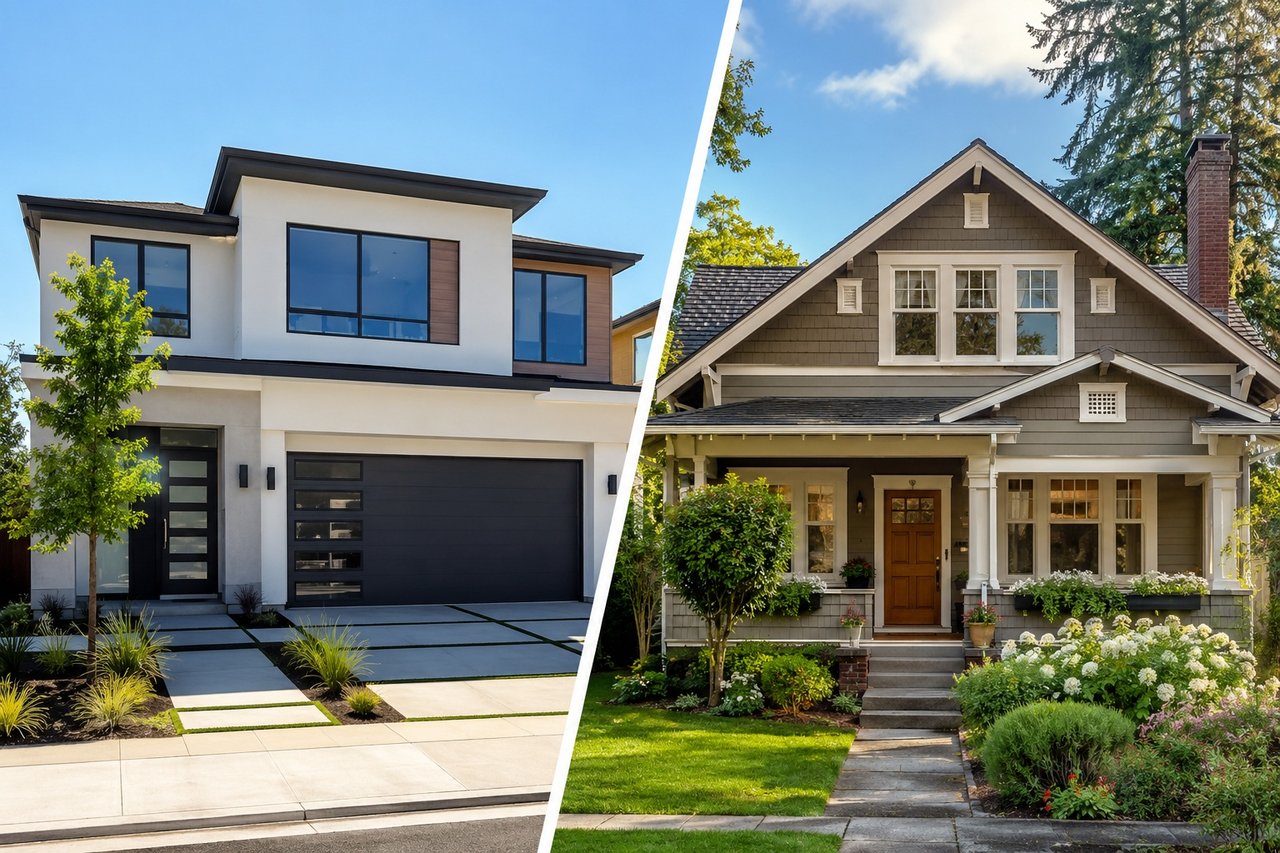
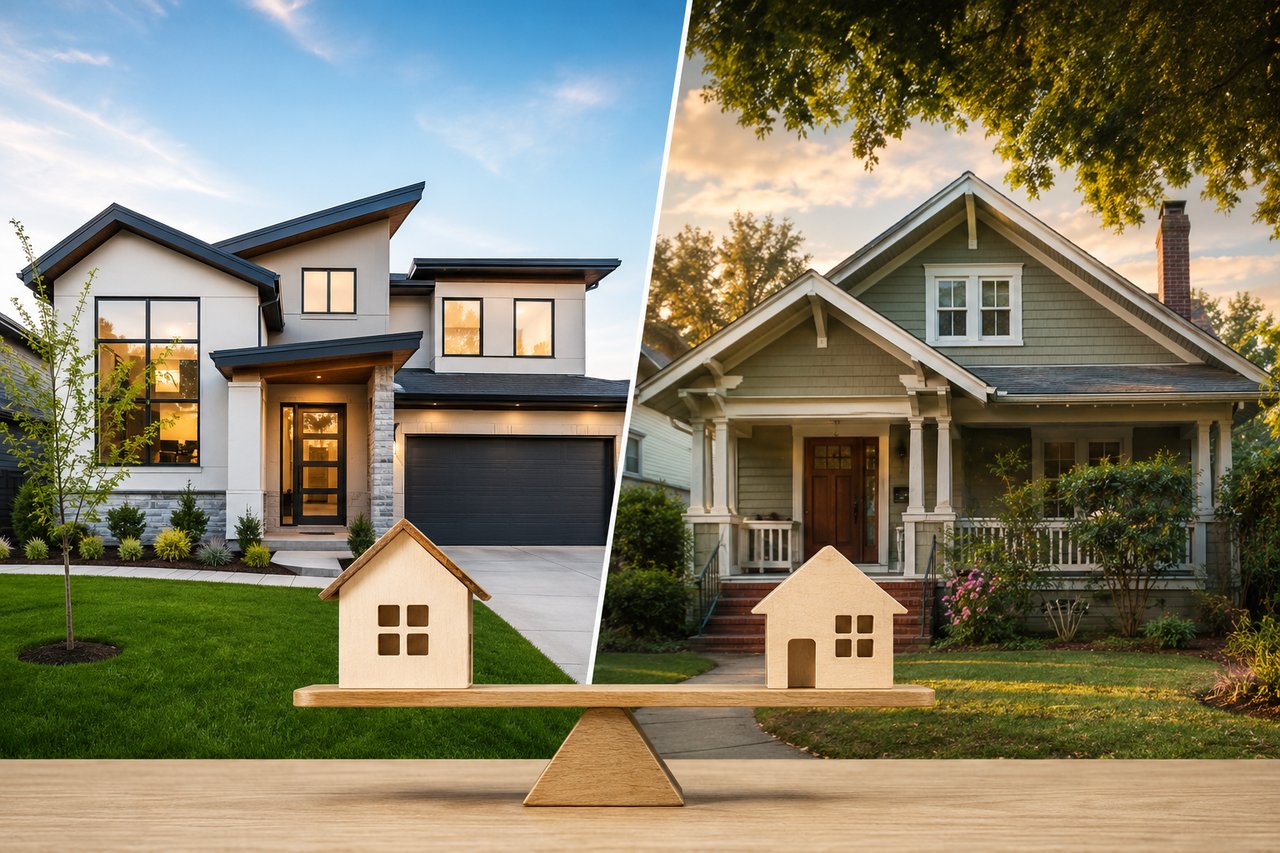
Buying a home always starts with a simple question that quickly turns complex: should I go new, or does a pre-owned home make more sense? I hear this often from buyers across Bothell, Redmond, Kirkland, and Seattle, especially those trying to balance budget, lifestyle, and long-term value. As someone working closely with buyers every day, including those searching for trusted real estate agents in Seattle Washington, I’ve seen how this decision plays out in real situations. In this blog, I’ll break down how new and pre-owned homes compare and what the data actually says about appreciation.
New construction has a clear appeal. Everything feels fresh, intentional, and designed for how people live today. Open layouts, energy-efficient systems, and smart home features are often standard, not upgrades.
What stands out most to buyers:
Modern design and finishes that don’t need immediate updates
Lower maintenance in the early years
Builder warranties that offer peace of mind
That said, there are trade-offs that don’t always show up at first glance. New homes tend to come at a premium. Builders price based on market demand, not personal urgency, so there’s usually less room to negotiate. I also see buyers surprised by smaller lot sizes or tighter garage space, especially in newer developments where land is used more efficiently.
It’s a smoother start, but it often comes at a higher entry point.
Pre-owned homes tell a different story. They may not have the same polished look, but they often offer something buyers value just as much, if not more: space and flexibility.
Here’s what typically stands out:
Larger yards and more generous lot sizes
Better pricing relative to square footage
Greater opportunity to negotiate with sellers
Of course, there are considerations. Some homes reflect the era they were built in, which can mean dated interiors. Maintenance is also more immediate. Roofs, HVAC systems, or plumbing might need attention sooner rather than later. And unlike new construction, there’s no builder warranty to fall back on.
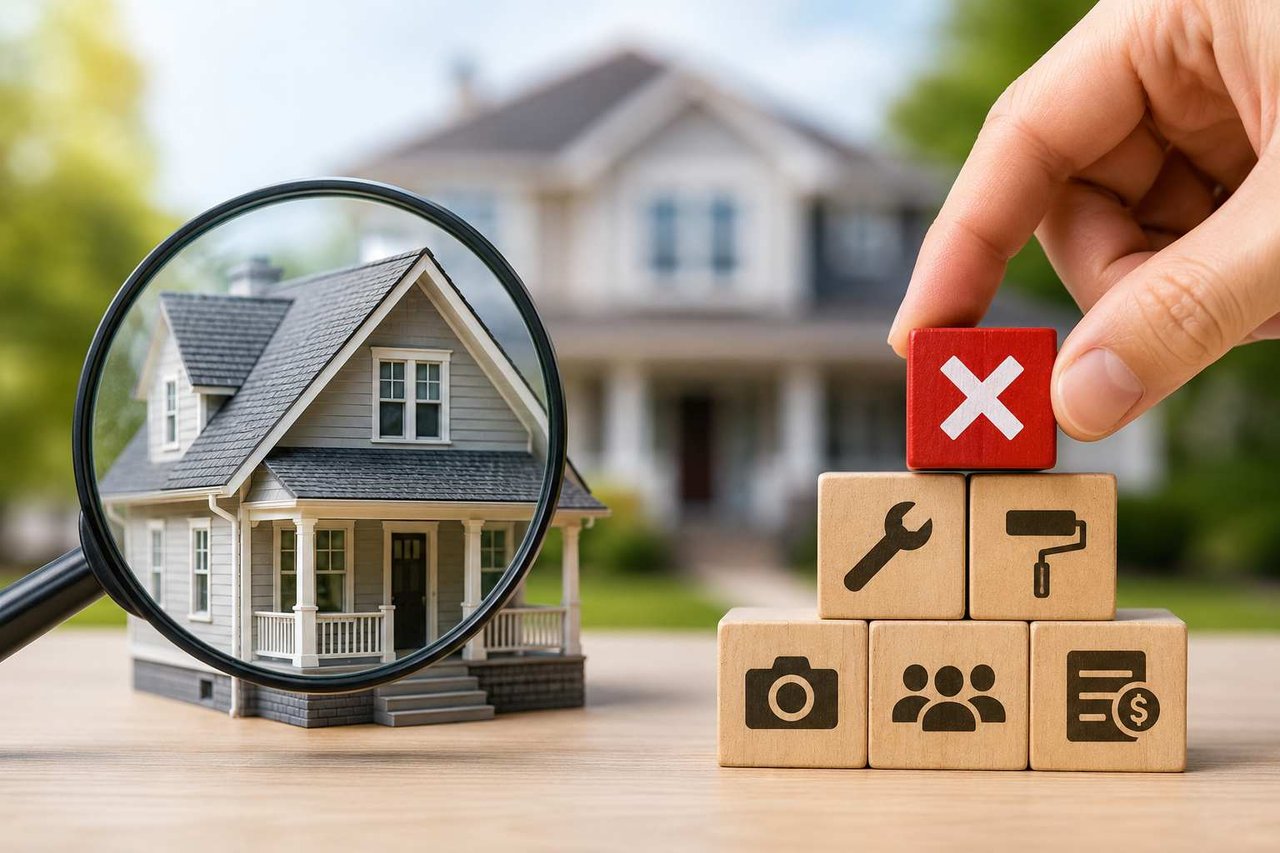
Still, many of these concerns can be anticipated. A thorough home inspection, paired with the right guidance, can give a clear picture of upcoming costs. In many cases, buyers find that even with updates, the overall value remains strong.
This is where most buyers expect a clear winner. The reality is more balanced.
If convenience, minimal upfront work, and modern aesthetics matter most, a new home fits naturally. If space, pricing flexibility, and long-term customization matter more, pre-owned homes often come out ahead.
In my experience, the right choice usually depends on lifestyle, not just numbers. A buyer working long hours might prioritize move-in-ready convenience. Another buyer planning to stay long-term might see value in customizing an older home over time.
This is the question that tends to carry the most weight, especially for buyers thinking beyond the next few years.
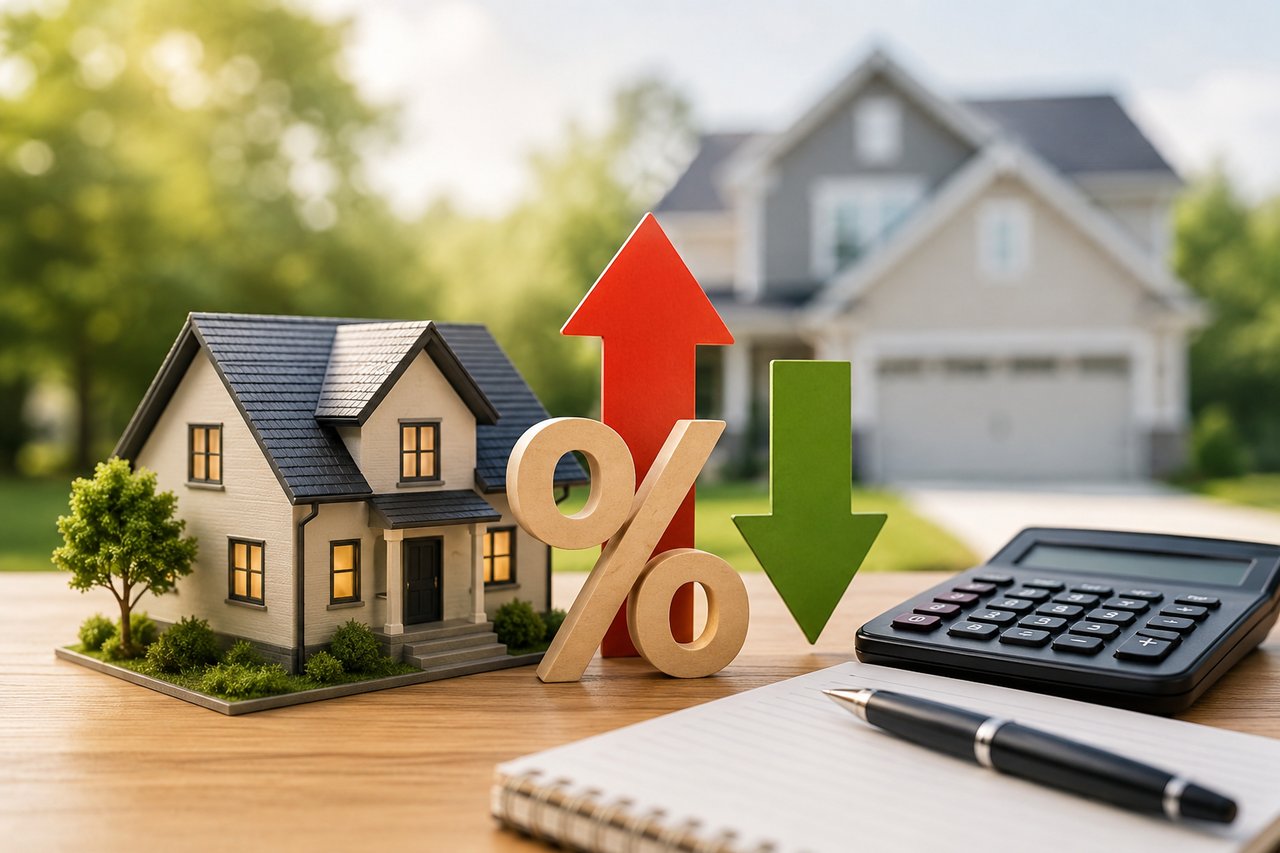
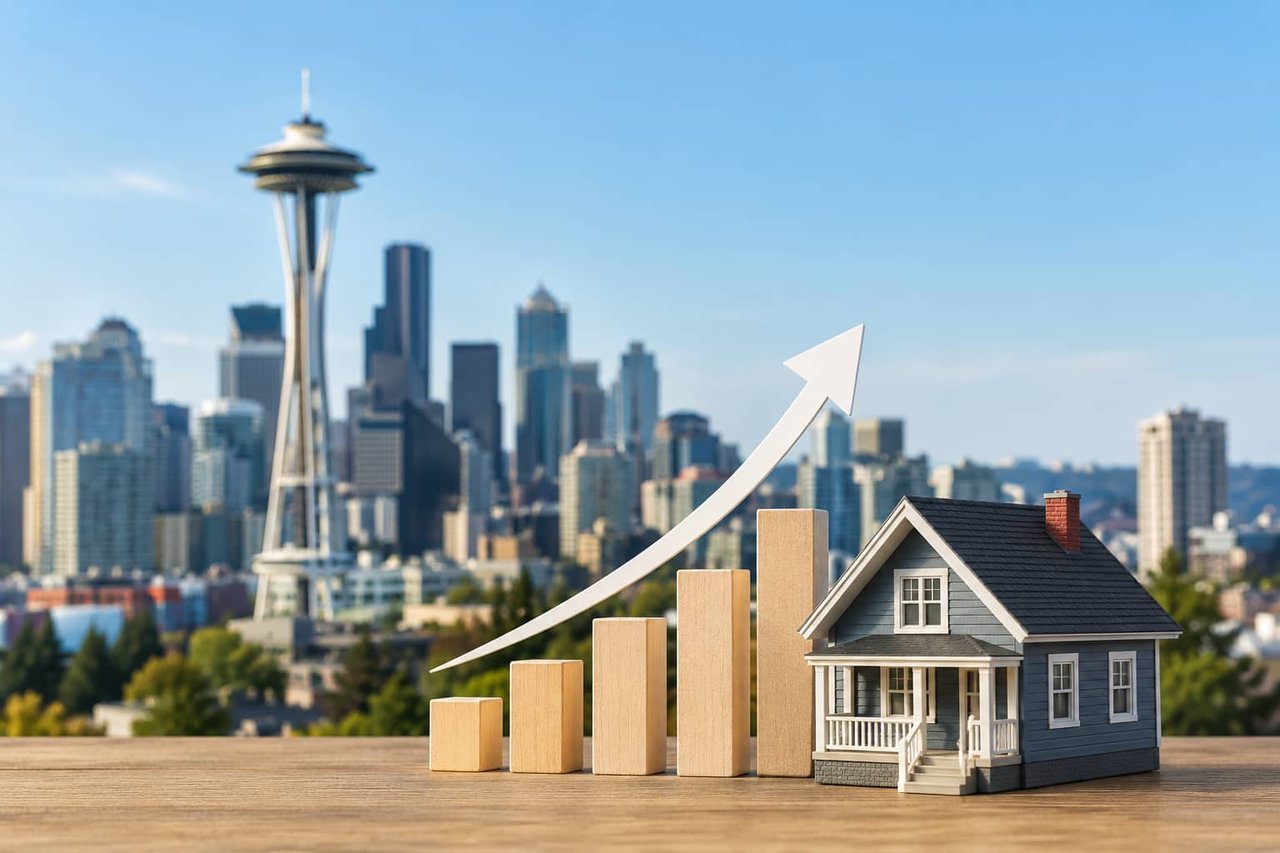
Looking at five years of data from King County, from 2018 to 2023, the pattern is clear. When measured by median price per square foot, both new and pre-owned homes have appreciated at very similar rates.
There are always exceptions. Some newer homes in high-demand areas see sharper increases. Some older homes in established neighborhoods outperform expectations. But across the broader market, there isn’t strong evidence that one category consistently outpaces the other.
The trend lines across different build years show movement that’s more alike than different. Homes built between 1950 and 1980, 1980 and 2000, and even 2000 to 2020 all show steady growth with similar peaks and dips over time. The takeaway is simple: appreciation is influenced more by location, demand and overall market conditions than by whether a home is new or pre-owned.
I always bring the conversation back to what truly matters for the buyer sitting in front of me.
New homes offer ease. They reduce the number of unknowns and give a sense of control from day one. Pre-owned homes, on the other hand, often deliver more value per dollar and more room to shape the home into something personal.
What I don’t recommend is choosing based purely on the assumption that one will outperform the other financially. The data doesn’t support that approach.
Instead, I focus on helping buyers evaluate:
How long they plan to stay in the home
Their comfort level with maintenance or renovations
The importance of location versus condition
These factors tend to have a bigger impact on satisfaction and long-term value than the age of the home alone.
There isn’t a one-size-fits-all answer here, and that’s exactly why this decision deserves a closer look. New homes bring simplicity and modern living. Pre-owned homes offer space, flexibility, and often better pricing. Both can be strong investments when chosen thoughtfully. Unless there’s something only a new home can offer, I always suggest exploring both options. A well-informed decision almost always leads to a better outcome.
For buyers navigating this in competitive areas like Bothell, Redmond, Kirkland or Seattle, having the right perspective makes all the difference. And for those working with experienced Sammamish realtors, the advantage often comes down to understanding not just the market but how each option aligns with real-life priorities.
Stay up to date on the latest real estate trends.