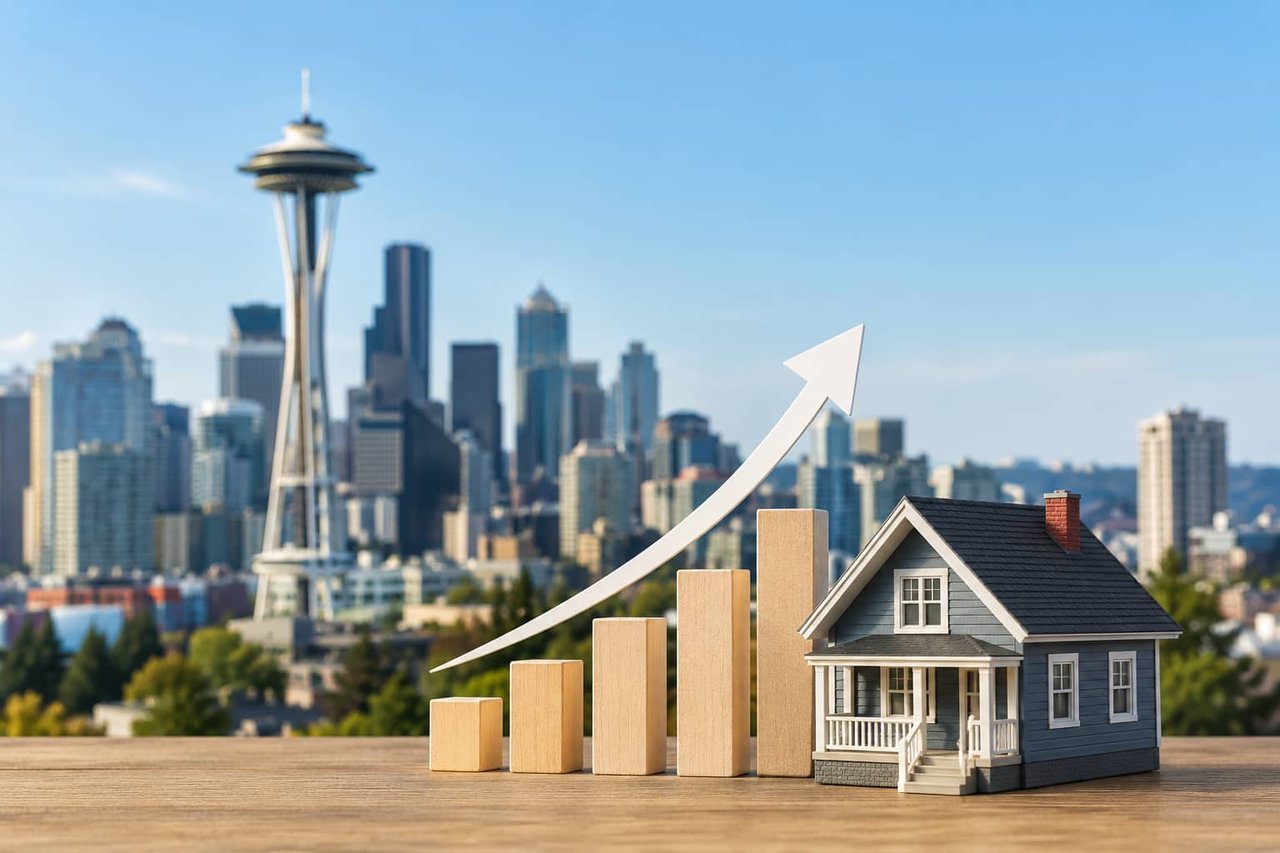
How Seattle's Economic Growth Is Impacting the Housing Market
Sankari Subburaman June 25, 2026
Sankari Subburaman June 25, 2026
Seattle has always been a city that moves fast. But what's happening to its housing market right now is not just movement, it's a structural shift. As one of the top Real Estate Agents in Seattle Washington, I've watched this market evolve up close, helping buyers and sellers navigate conditions that most people only read about in headlines. The numbers are striking, but the real story is in what they mean for families trying to plant roots here.
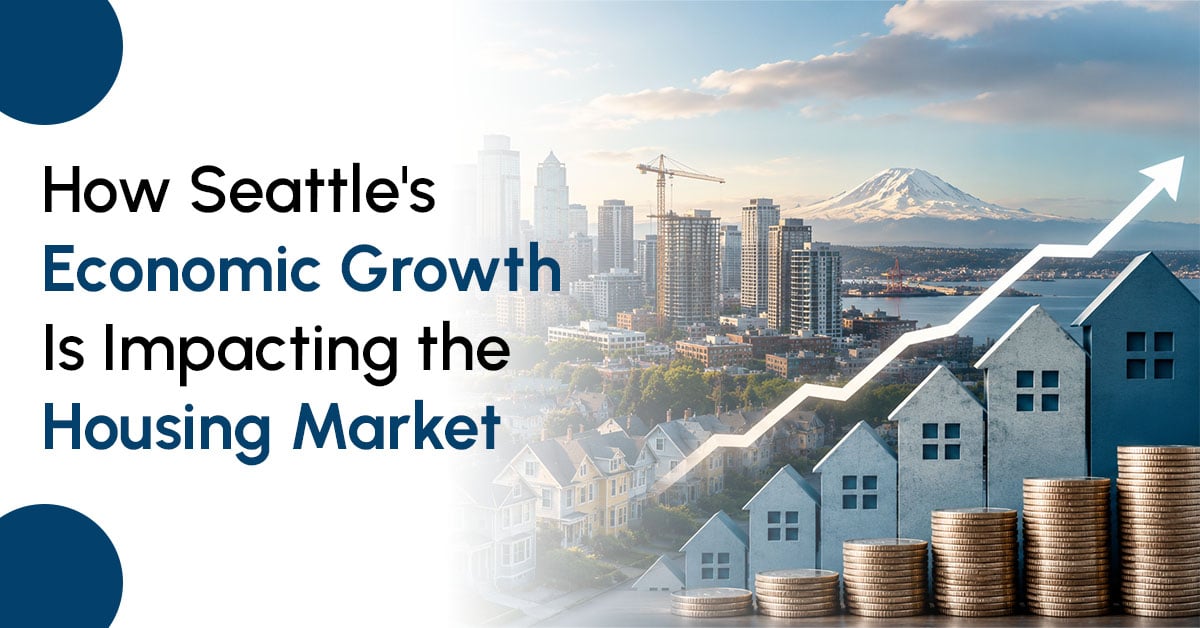
Seattle's economy has become one of the strongest in the country. That economic engine doesn't sit still, and neither does the housing market that runs alongside it. In this blog, we will look at what's fueling that growth, how it's reshaping home values and demand, and what it means for buyers and sellers across the region.
Seattle's job market is not defined by one company or one sector. Amazon's continued expansion in South Lake Union alone has brought tens of thousands of high-paying jobs to the city. Microsoft's sprawling Redmond campus keeps pulling in engineers and product professionals from across the world. Add Google, Meta, Salesforce, and a growing wave of biotech firms into the mix, and you have a city producing wage growth at a rate most metro areas can't match.
According to the U.S. Bureau of Labor Statistics, the Seattle-Tacoma-Bellevue metro area has consistently ranked among the top five metros in the country for wage growth in technical occupations. The median household income in Seattle crossed $115,000 in recent years, significantly above the national average of around $74,000. That income level doesn't just support the housing market, it pressurizes it.
High earners compete for the same pool of homes. Inventory hasn't kept pace. And when more dollars chase fewer listings, prices go up. It's not complicated, but the speed of it is something I see play out differently across different parts of this region.
The impact of Seattle's economic growth doesn't stop at city limits. In fact, some of the most dramatic shifts have happened in the suburbs, where buyers look for more space without sacrificing access to those high-paying jobs.
Bothell has quietly become one of the most competitive submarkets in the region. The Canyon Park Tech Corridor there houses over 100 tech companies, meaning buyers aren't just commuting to Seattle, they're working right there. Home values in Bothell have climbed steadily, with median prices hovering around $800,000 to $850,000 depending on the neighborhood. Inventory stays lean, and well-priced homes rarely sit for more than a few days.
Redmond tells a similar story. As Microsoft's home base, it draws buyers who want to live close to work. Demand there remains high year-round, not just during peak spring seasons. Homes in Redmond often receive multiple offers, and buyers who aren't prepared for that reality tend to miss out on the first two or three homes they want.
Kirkland sits right on Lake Washington and combines waterfront appeal with strong proximity to both Microsoft and Amazon. It's one of those markets where lifestyle demand and job-proximity demand overlap completely. That combination keeps it among the priciest on the Eastside, with median home prices regularly exceeding $1 million.
Seattle itself remains the anchor. Neighborhoods like Capitol Hill, Queen Anne, and West Seattle see steady buyer interest from tech workers who prefer urban living. The city's walkability, transit access, and cultural draw keep demand alive even when broader market conditions shift.
The core tension in this market isn't just about price. It's about supply. Seattle and its surrounding cities have struggled for years to build enough housing to match the pace of population growth. According to the Puget Sound Regional Council, the region needs to add over 1 million housing units by 2050 to meet projected demand. The current pace of construction is nowhere near that figure.
For buyers, that gap creates a very specific set of challenges that I see repeat themselves across transactions:
Homes priced accurately receive multiple offers within the first week
Escalation clauses and waived contingencies have become common tools in competitive situations
Move-in ready homes at entry-level price points are the hardest to secure
New construction in communities like Bothell and Redmond often sells before completion
This doesn't mean buyers have no options. It means preparation matters more than it used to. Understanding what the market will bear before making an offer, knowing what concessions are realistic to ask for, and moving quickly when the right property appears, those habits separate buyers who close from buyers who keep searching.
Strong demand benefits sellers, but that doesn't mean every listing performs the same way. Presentation, pricing, and timing still determine whether a home sells above asking or sits for weeks collecting price reductions.
I've seen sellers leave real money on the table by pricing conservatively when the data supported something higher. I've also seen overpriced homes in strong markets struggle because buyers in this region are sophisticated. They work in data-driven industries. They know how to read a comp sheet.
Getting the pricing strategy right, staging the home to reflect the buyer profile most likely to fall in love with it, and timing the launch to maximize early traffic, those steps don't happen automatically. They require local knowledge and honest conversations. That's what I bring to every listing.
Rate fluctuations have tested buyers' resolve in recent years. When rates climbed sharply in 2022 and 2023, transaction volume dropped across the region. But demand didn't disappear. It compressed. Buyers who had to pause came back when conditions improved, creating surges in activity that surprised some observers.
What this tells me is that the underlying demand in this market is real. People aren't moving to Seattle because it's affordable. They're moving here because the jobs are here. The wages are here. And for many buyers, the calculus of owning versus renting still favors buying when they're planning to stay for five or more years.
A few things I consistently walk buyers through when rates are a concern:
The home you buy today is likely worth more in five years, regardless of what rates do in the short term
Refinancing is possible when rates drop; losing out on a home to another buyer is final
Monthly payment and purchase price are two different levers, and understanding both changes the conversation
Seattle's population has grown by roughly 20% over the last decade, according to U.S. Census data. That figure understates the real pressure on the housing market because it doesn't fully capture in-migration patterns driven by remote and hybrid work arrangements that have brought high earners from San Francisco, New York, and other expensive metros into the Puget Sound region.
Many of those buyers arrive with equity from prior sales in even pricier markets. They are not rate-sensitive in the way a first-time buyer is. They can close quickly, make clean offers, and absorb higher price points. Their presence in the market raises the floor for everyone else.
Over the next decade, infrastructure investment, continued tech expansion, and Seattle's standing as a global port city all point toward sustained housing demand. That doesn't mean prices go up in a straight line. But the direction of the market, over a meaningful time horizon, continues to favor ownership.
Navigating this market takes more than a license. It takes experience in the specific neighborhoods, relationships with listing agents, and a process that protects buyers and positions sellers to win. That's what Sankari Realty delivers.
Whether you're buying your first home, relocating for a tech role, or considering the right moment to list, having the right guidance changes the outcome. As a trusted Real Estate Agent in Sammamish and across the broader Seattle metro, I work with clients one-on-one, without hand-offs, to make sure every decision is grounded in real market data and honest advice.
If you're thinking about buying or selling in the Seattle area, reach out to Sankari Realty today. The market moves fast. Your strategy should too.
Stay up to date on the latest real estate trends.