What Is a Rental Cap, and Is It Okay to Buy a Home With One?
Sankari Subburaman May 21, 2026
Sankari Subburaman May 21, 2026
Buying a condo or townhome in areas like Seattle, Kirkland, Redmond or Bothell often comes with more rules than buyers expect. One of the most important, and commonly overlooked, is the rental cap. As an experienced realtor in Seattle, I've seen buyers get excited about a well-priced condo without fully understanding how rental restrictions can affect future flexibility.
A rental cap is not automatically a deal breaker. In some situations, it can actually create strong long-term value. But before buying into a community with one, it’s important to understand exactly what you are agreeing to.
In this blog, I will walk through what a rental cap means, how it impacts resale and investment potential, and when buying a home with one may still make sense.
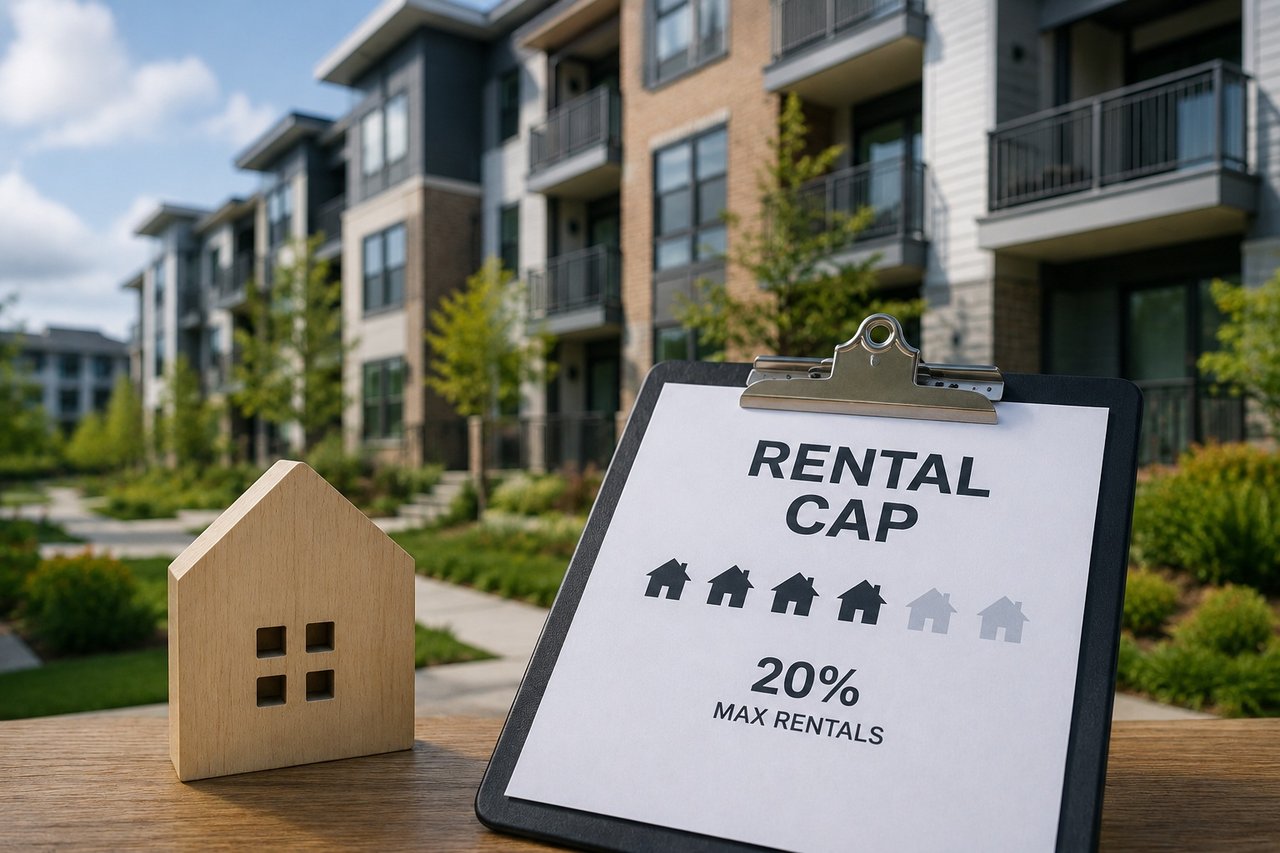
A rental cap is a rule set by a homeowners association, usually in condo or townhome communities, that limits how many homes in the neighborhood can be rented out at one time.
The cap is typically expressed as a percentage. For example, if a community has 100 homes and a 20% rental cap, only 20 units can be rented to tenants at any given time. Once that limit is reached, owners who want to rent their homes are placed on a waiting list. Most communities follow a first-come, first-served process when rental slots open up.
This is common throughout the greater Seattle area, especially in condo-heavy neighborhoods where HOAs want to maintain a higher owner-occupancy ratio.
At first glance, the rule may not seem like a major concern. Many buyers purchase homes planning to live in them for years. The issue is that life changes. Job relocations, growing families, unexpected financial shifts, or even temporary moves can create situations where renting the property becomes necessary.
That is where the rental cap starts to matter.
When I advise buyers on homes with rental caps, I always recommend looking at the situation conservatively.
Even if the community is currently below the rental limit, there is no guarantee that space will still be available years later when you may need it. A buyer should assume that if moving becomes necessary in the future, renting may not be an option.
That leaves only two realistic outcomes:
Sell the property
Leave it vacant
For most homeowners, keeping a property empty is not financially practical. Mortgage payments, HOA dues, taxes, and maintenance costs continue regardless of occupancy.
This is why rental caps reduce flexibility. You are purchasing a home knowing that future leasing rights may be restricted.
That said, flexibility is only one part of the equation.
Homes with rental caps are often priced lower than similar properties without those restrictions. In many parts of the Seattle metro area, I regularly see capped properties selling for around 10% less than comparable homes in unrestricted communities.
For buyers planning to stay long term, that discount can create real value.
A lower purchase price may allow buyers to:
Enter competitive neighborhoods at a more affordable price point
Reduce monthly mortgage costs
Buy into desirable school districts or locations they may otherwise not afford
Build equity over time while living in the property
This can especially appeal to first-time buyers looking in markets like Redmond or Kirkland where pricing remains competitive.
In many cases, buyers are trading flexibility for affordability. If the intention is to stay in the home for several years, that tradeoff may be completely reasonable.
The resale side of the equation deserves just as much attention.
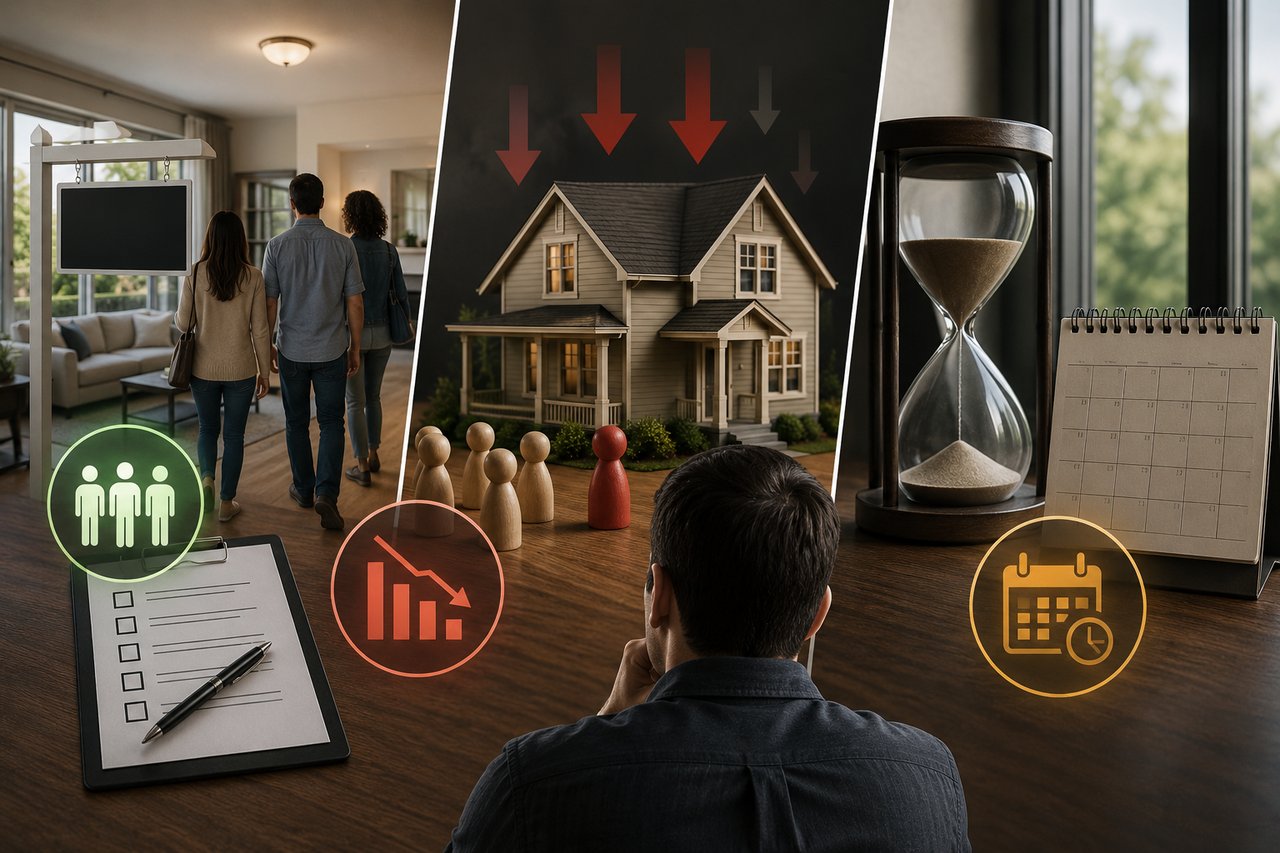
A home with a rental cap will usually attract a smaller buyer pool because investors and buyers seeking rental flexibility may avoid it entirely. As a result, these homes often sell for less compared to similar unrestricted properties.
However, most owners also purchased the property at a discount in the first place. In balanced markets, that difference often evens out over time.
The challenge comes during slower housing markets.
When buyer demand drops, homes with rental restrictions may require even deeper pricing adjustments to attract offers. Buyers become more selective during uncertain markets, and restrictions naturally narrow the audience further.
This does not mean capped properties are bad investments. It simply means expectations should stay realistic from the beginning.
Not necessarily.
I’ve worked with buyers across Seattle and surrounding suburbs who intentionally chose homes with rental caps because the pricing made sense for their long-term plans.
The decision usually comes down to three things:
How long you plan to live there
Whether future rental flexibility matters to you
The price advantage compared to similar homes nearby
If you are buying a property primarily as an investment or want the ability to rent it easily later, a rental cap may not be the right fit.
But if your goal is stable long-term homeownership and you understand the limitations upfront, buying into a capped community can still be a smart financial decision.
Rental caps are one of those details that can significantly impact a homeowner later, even if they seem minor during the buying process. That is why reviewing HOA rules carefully before making an offer is always important.
At Sankari Realty, I help buyers look beyond just the listing price and understand how HOA restrictions affect long-term value, resale potential, and future flexibility. Whether you are searching in Bothell, Seattle, Kirkland, or Redmond, making the right decision starts with understanding the full picture.
If you are looking for guidance from a trusted and an experienced real estate agent in Bothell understanding details like rental caps before buying can help you avoid expensive surprises later.
Stay up to date on the latest real estate trends.

Local Guide

Local Guide

Local Guide

Local Guide

Local Guide

Local Guide
Local Guide
Local Guide

Local Guide