Redmond's housing picture has shifted from frenzy toward balance, and this look at the Redmond real estate market explains what that means for buyers, sellers, and anyone deciding whether to wait. NWMLS data for July 2026 put the median closed sale price near $1.36 million, up about 4.6 percent from a year earlier, with homes selling in a median of roughly 26 days. By August, about 309 homes were active, roughly 4.4 months of inventory. For numbers on a specific street, Sankari Subburaman can pull them for you.
Sankari Realty brings years of Greater Seattle experience to buyers and sellers, and the team is recognized among the Eastside's top Realtors. Each search or listing strategy is built around the client's goals, with close attention to deadlines and next steps, whether that means pricing a listing, timing an offer, or reading what the market actually supports. A Redmond Realtor who follows these figures every week can turn broad data into a plan for one specific home.
Deep roots across the Greater Seattle region.
Homes successfully bought and sold.
Agent serving Redmond and the Eastside.
In closed transactions to date.
Redmond has long drawn buyers who want a tech-centered city with real green space. Microsoft's headquarters and Nintendo of America anchor the job base, Link light rail now serves Overlake and downtown, and Marymoor Park and the Sammamish River Trail round out daily life. Inventory has grown: a local tracker counted for-sale listings up about 48 percent year over year in August, and NWMLS reported more than 800 additional new listings across its service area in August than a year earlier. Even so, homes closed near 97.9 percent of list price in July.
People reading Redmond housing market trends usually watch prices, homes for sale, buyer competition, seller activity, and direction. No single figure tells the story, and the Redmond housing market rewards those who read them together. The direction is toward balance. Pending sales reached 70 in August from 48 in July, up 25 percent from a year earlier, while closed sales fell about 22 percent year over year. Rates above 7 percent are the main drag.
NWMLS data put the July median at $1,360,000, up 4.6 percent from a year earlier, though trackers disagree: a rolling 30-day figure showed about $1.3 million, down roughly 9 percent. That spread is why Redmond home prices need context.
Averages can mislead. In July the median house closed near $1.47 million and the median condo or townhome near $625,000. Redfin put Education Hill's three-month median near $1.2 million as of August, slightly below a year earlier, while downtown Redmond sat near $584,000 through June. Condition, lot size, and location matter more than any median. Redmond home prices follow interest rates, hiring, and new listings more than the calendar.
Rates are the newest pressure point: Freddie Mac put the 30-year fixed rate at 7.03 percent on September 24, up from 6.30 percent a year earlier, adding roughly $525 a month on a $1.09 million loan. When studying the Redmond housing market, ask whether a change will last, since a rate-driven dip differs from weak demand. Buyers shouldn't rely on price alone, and sellers should price to the newest comparable sales.
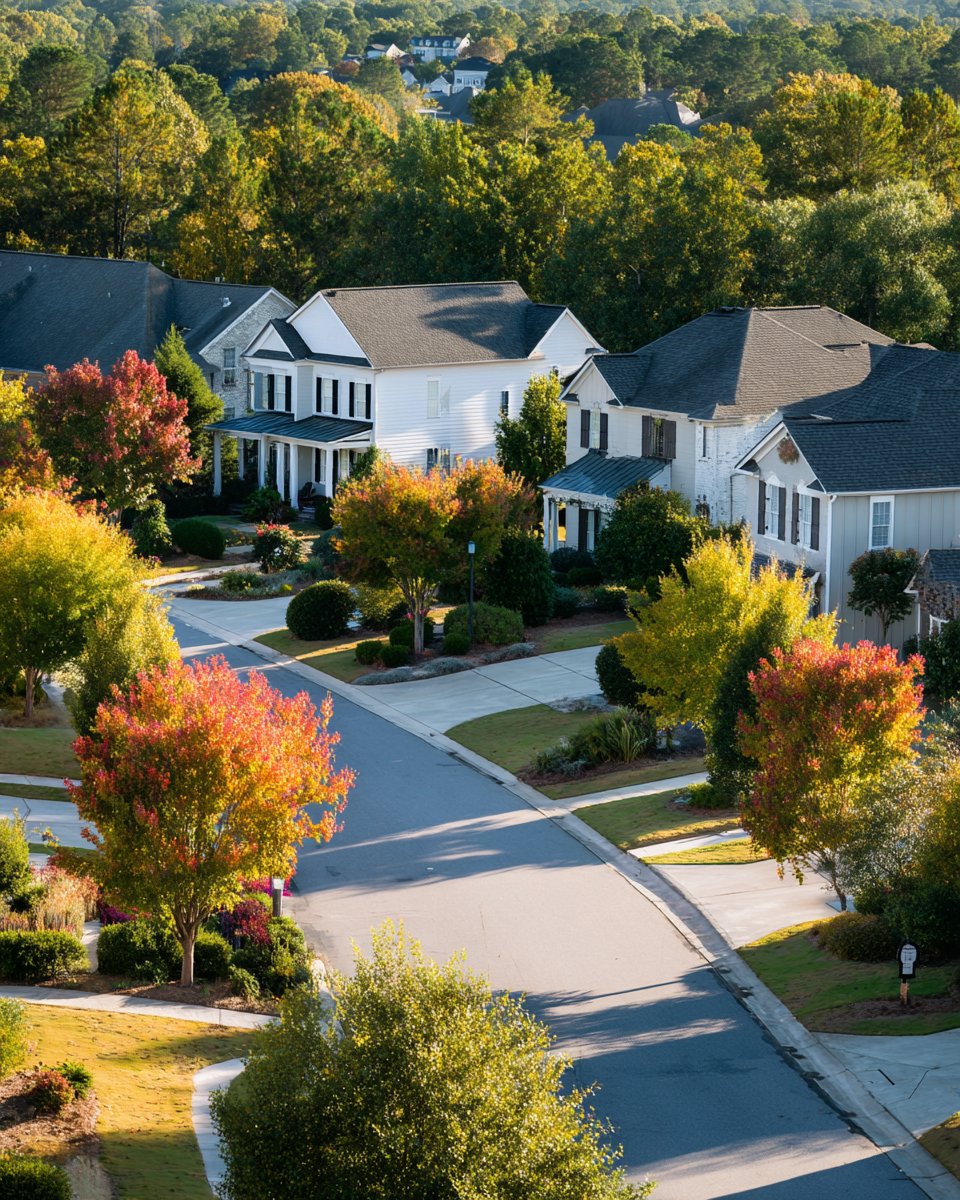
Buyer priorities cluster around a few consistent factors, and tracking them is part of what makes a good set of Redmond home buying tips useful.
Prioritize easy transit access, top school districts, walkable neighborhoods, and fast commuting routes toward major local technology employers and regional hubs.
Flexible interior floor plans featuring dedicated office space appeal strongly to tech industry buyers maintaining hybrid work schedules and routines.
First-time buyers prefer low-maintenance condos, while move-up buyers target spacious single-family homes, favoring move-in-ready conditions over fixers for stronger offers.
Proximity to local parks, river trails, and vibrant dining centers keeps buyer interest exceptionally high throughout the entire housing market.
Conditions shape decisions in five areas. Sankari walks clients through each one against current data before they tour, offer, or sign anything.
Monitor days-on-market metrics closely; when properties move rapidly, schedule tours immediately upon listing and ensure all mortgage pre-approval documentation is completely finalized beforehand.
Submit clean contract terms and verified pre-approval letters in competitive conditions, or negotiate aggressive seller concessions, repair credits, and price reductions when local inventory slows.
Leverage overall inventory levels and local sales trends; as average sold prices hover near 98 percent of original list prices, modest buyer discounts remain achievable.
Take advantage of expanding real estate inventory levels by becoming significantly pickier regarding exact home conditions, functional floor plan layouts, and desirable neighborhood street locations.
Track current mortgage rate fluctuations continuously while avoiding speculative market timing attempts, relying instead on stable, long-term personal affordability metrics and dependable household financial planning.
Maintain standard physical inspection and mortgage financing protections when homes linger on market, utilizing formal inspection findings to request necessary structural repairs or financial closing credits.
Account for ongoing property taxes, homeowner association dues, and insurance premiums, ensuring you maintain a dedicated post-closing emergency savings reserve for unexpected ongoing property repairs.
Recognize that local market velocity varies dramatically by property classification, matching individual offer strategies specifically to downtown condominiums, suburban townhomes, or established Education Hill single-family residences.
In the Redmond housing market, the balance between inventory and buyer demand decides who has leverage. One NWMLS-based report counted 309 active listings and about 4.4 months of supply in August, generally read as balanced, while other measures put it nearer 3 to 4 months. Watch new listings, how fast homes go under contract, and days on market. Competition is moderate: homes closed near 97.9 percent of list in July, and August pending sales ran 25 percent above a year earlier. Short days on market and multiple offers signal tight supply, while price cuts and fewer showings give buyers negotiating room. Entry-level condos and townhomes may move quickly while larger homes take longer, so useful Redmond housing market trends break the numbers out by price range and property type.
Five factors shape how sellers approach today's market, and they form the core of any plan for selling a home in Redmond WA. Most sellers start with the number. Check the latest Redmond real estate market figures, anchor the list price to recent comparable sales, and watch Redmond home prices for rising or leveling comps. Then prepare the home: patch small repairs, clear clutter, and photograph it well, since extra inventory punishes tired homes. Marketing needs to include professional photos, a strong online presence and realistic pricing. Buyers have more choices, so they expect a clean inspection and a fair price. In negotiation, Redmond housing market trends like inventory, days on market and sale-to-list ratio show how much wiggle room each side has.
Whether now is a good time comes down to the person making the move more than the month on the calendar. Finances, goals, timeline and the property itself come first, then affordability, financing costs and personal circumstances.
Current conditions, with more inventory, rates above 7 percent, and roughly 3 to 4.5 months of supply, favor buyers who can be selective and sellers who price to the newest comparable sales. Timing the market precisely isn't realistic, and Redmond housing market trends alone won't settle the question. This is where solid guidance for a Redmond first time home buyer earns its keep: review the latest data, run the numbers, and decide what makes sense.
Sankari watches how pricing, inventory, and days-on-market figures move differently from one Redmond neighborhood to the next, and how each affects Redmond home prices.
.
A listing price or an offer traces back to recent comparable sales in that specific area, so the number holds up under scrutiny.
Conditions can shift within weeks, and the guidance reflects the latest read of the Redmond real estate market.
Each counteroffer draws on a current, data-backed read of market inventory and active buyer demand.
Market shifts, deadlines, and next steps are shared as they come up, not after it is too late to act.
It depends on the segment. With about 4.4 months of inventory in August, the Redmond housing market reads as balanced, giving buyers more room, though well-priced homes still move.
In July 2026, the median sales price was roughly $1.36 million for houses and $1.47 million for homes. Current Redmond home prices vary widely by neighborhood and property type.
Homes sold in a median of about 26 days in July, and pending sales rose in August. Check the current Redmond real estate market before listing or offering.
There’s no way to time the market exactly. With the 30-year rate at 7.03 percent in late September, decide based on your finances, goals and timeline instead of trying to predict rate movements.
Overlake townhomes, Education Hill single-family streets, and downtown condos each move differently. Comparing Redmond housing market trends by neighborhood gives a clearer picture than one citywide number.
Share whether you're buying, selling, or simply watching, along with your timeline and goals, and Sankari will walk through what the latest data means for your situation.